



.svg)



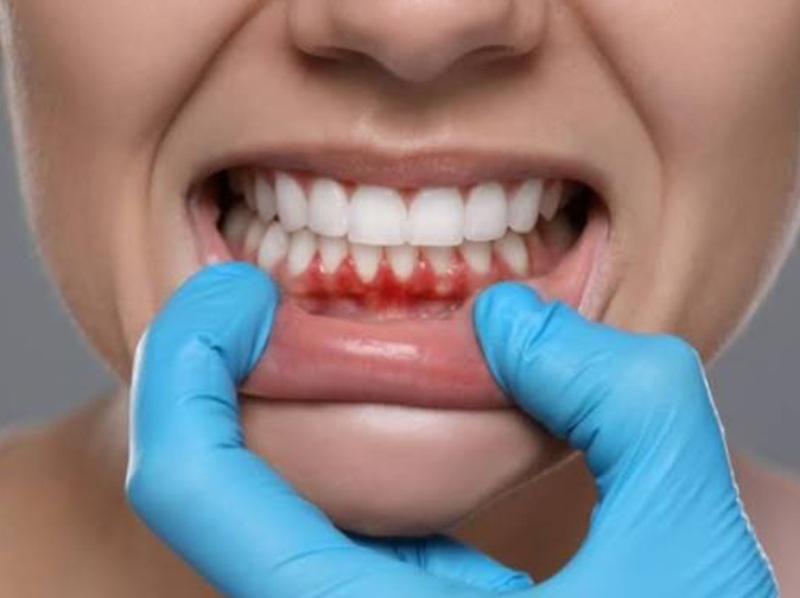
Pink in the sink after brushing is easy to ignore. You spit, see a little blood, and assume you brushed too hard.
Sometimes, that is the reason. But bleeding gums can also be an early sign of gum disease. If the bleeding keeps coming back, it is worth finding out why.
At Canarsie Dental Specialist, patients from Brooklyn, NY, can get their gums checked and treated based on the cause. Early care can help prevent gum inflammation from progressing into more serious periodontal disease.
What Happens When Your Gums Bleed?
Healthy gums are firm, pink, and should not bleed during normal brushing or flossing.
Bleeding usually means the gum tissue is inflamed. Plaque is one of the most common causes. Plaque is a sticky layer of bacteria that forms on your teeth and along the gumline. If it is not removed, it can irritate the gums.
Your body responds to this irritation with inflammation. The gums may become:
- Red or darker than usual
- Swollen
- Tender
- More likely to bleed
- Sensitive when brushing or flossing
This early stage of gum disease is called gingivitis.
The good news is that gingivitis can often be reversed with proper dental care and better daily cleaning.
Common Causes of Bleeding Gums
Gum inflammation is not the only possible reason for bleeding. Several factors can play a role.
Plaque and Tartar
Plaque that stays on the teeth can harden into tartar. A toothbrush cannot remove hardened tartar. Professional dental cleaning may be needed to remove it.
Brushing Too Hard
Using too much pressure or a hard-bristled toothbrush can irritate your gums. Brushing harder does not mean brushing better.
Use a soft-bristled toothbrush and gentle pressure.
Starting to Floss Again
If you have not flossed for a while, your gums may bleed when you start again. This can happen because the gum tissue is already inflamed.
With gentle, regular flossing, the bleeding should improve. If it continues, have your gums checked.
Gum Disease
Ongoing bleeding can be a sign of gum disease. Gingivitis can progress to periodontitis when it is not treated.
Periodontitis can affect the tissues and bone that support your teeth.
Hormonal Changes
Hormonal changes during pregnancy, puberty, or other stages of life can make gums more sensitive to plaque. This can increase the risk of gum inflammation and bleeding.
Smoking
Smoking can increase the risk of gum disease and make it harder for the gums to heal. Tell your dentist if you smoke or use tobacco products so your oral health can be assessed properly.
Certain Medical Conditions and Medicines
Some health conditions and medicines can affect your gums or increase bleeding. If your gums started bleeding after beginning a new medicine, tell your dentist and doctor.
Is Bleeding From Gingivitis or Something More Serious?
This is an important question.
Mild bleeding that starts after you change your brushing or flossing routine may improve with consistent, gentle care.
But repeated bleeding should not be ignored.
Look for other signs, such as:
- Gums that are swollen or very red
- Gums pulling away from the teeth
- Persistent bad breath
- Pus around the gums
- Teeth that feel loose
- Teeth that have shifted
- Pain when chewing
- A change in how your teeth fit together
These symptoms can be linked to periodontitis or another dental problem.
If you notice several of these signs, schedule a dental evaluation rather than waiting for the problem to get worse.
What Happens During a Gum Evaluation?
A dental evaluation for bleeding gums is usually straightforward.
Your dentist will first ask about your symptoms. You may be asked when the bleeding started, how often it happens, and whether you have noticed swelling, pain, bad breath, or other changes.
The gums and teeth are then examined.
A periodontal probe may be used to measure the spaces between your gums and teeth. These spaces are called periodontal pockets. Deeper pockets can be a sign of gum disease.
Your dentist may also recommend dental X-rays when needed. X-rays can help identify bone loss that cannot be seen during a visual exam.
If you need more advanced gum care, a periodontist can evaluate the health of your gums and the tissues that support your teeth.
How Are Bleeding Gums Treated?
Treatment depends on what is causing the bleeding and how advanced the problem is.
Professional Dental Cleaning
If plaque and tartar are causing gum inflammation, a professional cleaning can remove buildup that regular brushing cannot.
Your dental team may also show you better brushing and flossing techniques.
Scaling and Root Planing
If gum disease has progressed below the gumline, you may need scaling and root planing.
This deep cleaning removes plaque and tartar from below the gumline. The tooth roots are also cleaned and smoothed to support healthier gum tissue.
The number of visits depends on your gum health and the amount of buildup present.
Periodontal Treatment
More advanced gum disease may need ongoing periodontal care. Your dentist or periodontist may monitor gum pockets over time and recommend treatment based on how your gums respond.
The goal is to control the infection, reduce inflammation, and protect the tissues supporting your teeth.
What Can You Do at Home?
Good home care is an important part of keeping your gums healthy.
Try to:
- Brush twice a day with a soft-bristled toothbrush.
- Floss or clean between your teeth once a day.
- Use an antimicrobial mouth rinse if your dentist recommends one.
- Replace your toothbrush when the bristles become worn.
- Avoid smoking and tobacco products.
- Keep regular dental appointments.
- Tell your dentist about medicines and health conditions that may affect your gums.
Do not stop brushing or flossing because your gums bleed. Gentle cleaning helps remove the plaque that may be causing the inflammation.
If you are unsure about your brushing or flossing technique, ask your dental team to show you the correct method.
When Should You See a Dentist for Bleeding Gums?
Occasional bleeding does not always mean you have serious gum disease. But repeated bleeding deserves attention.
Book a dental appointment if:
- Your gums bleed regularly.
- Bleeding continues despite better brushing and flossing.
- Your gums are swollen or tender.
- You have persistent bad breath.
- Your gums are pulling away from your teeth.
- Your teeth feel loose or have shifted.
- You notice pus around the gumline.
- You have pain when chewing.
You should also seek prompt dental care if bleeding is heavy, does not stop, or happens with significant swelling or severe pain.
Why Early Gum Care Matters
Gum disease can become more difficult to manage as it progresses.
Gingivitis affects the gums and is often reversible with proper care. Periodontitis can affect the supporting tissues and bone around the teeth.
That is why bleeding gums should not simply be treated as a normal part of brushing.
Finding the cause early gives your dental team a better chance to control the problem before it becomes more serious.
If you are looking for dental care in Brooklyn, Canarsie Dental Specialist can evaluate your gum health and discuss the right treatment based on your needs.
Take the Next Step
Bleeding gums may be caused by something as simple as brushing too hard, but repeated bleeding can also be an early warning sign of gum disease.
If you have ongoing bleeding, swelling, bad breath, gum recession, or loose teeth, do not wait for the symptoms to become worse.
Contact Canarsie Dental Specialist to arrange an evaluation and find out what is causing your bleeding gums. Early care can help protect your gums, teeth, and overall oral health.
Frequently Asked Questions
Is it normal for gums to bleed when I start flossing again?
It can happen if your gums are inflamed or you have not flossed for some time. Use gentle pressure and floss consistently. If the bleeding does not improve within one to two weeks, schedule a dental checkup.
Can stress cause bleeding gums?
Stress is not usually a direct cause of bleeding gums. However, ongoing stress can affect your overall health and may make it harder to maintain good oral hygiene. Plaque and gum inflammation are more common direct causes.
How often should I have my teeth cleaned if my gums bleed?
The right schedule depends on your gum health. Some people need cleanings twice a year, while people with gum disease may need visits more often. Your dentist can recommend a schedule after examining your gums.
Does bleeding gums mean I will lose my teeth?
No. Bleeding gums do not automatically mean you will lose your teeth. Gingivitis is often reversible. Tooth loss is more commonly linked to advanced, untreated periodontitis. Early diagnosis and treatment can help protect your teeth.
Can children have bleeding gums?
Yes. Children can develop gingivitis, often because of plaque buildup around the teeth. Regular dental visits can help identify gum problems early and teach children good brushing and flossing habits.
Should I stop flossing if my gums bleed?
Usually, no. If plaque is causing the bleeding, stopping flossing can allow more plaque to build up. Floss gently and avoid snapping the floss into your gums. If bleeding continues, ask your dentist to check the cause.

.svg)


