


.svg)


If your dentist has mentioned bone grafting during an implant consultation, you have probably got a few questions running through your head. Why does this extra step matter, and does it actually apply to your case? Here is the reassuring part: bone grafting sounds more intimidating than it usually is in practice. For a lot of patients, it is simply a routine piece of implant planning, one more step toward a result that holds up over time. A quick evaluation of your jawbone structure early on can tell you whether grafting may be part of your treatment path, so nothing catches you off guard once things get underway.
Here is the reason it matters so much. Dental implants depend on a solid foundation. The implant post sits directly in the jawbone, and over the following weeks, the bone needs to fuse around it in a process dentists call osseointegration. If there is not quite enough bone density or volume where the implant needs to go, that support may fall short. That is exactly where bone grafting steps in, rebuilding or reinforcing the site so the implant has a better shot at integrating the way it should.
Why Bone Density Matters for Dental Implants in Brooklyn, NY
Bone loss in the jaw happens more often than people expect, particularly after a tooth goes missing. Once that tooth is gone, the bone underneath it stops getting the stimulation it used to rely on, and it can begin to shrink gradually over months or even years. This is a big part of why anyone weighing dental implants in Brooklyn, NY is usually encouraged to book an evaluation soon after losing a tooth rather than putting it off.
A few other things can chip away at bone volume too, including long-term denture wear, gum disease, facial trauma, and infections that settle in near a tooth root. A thorough exam, usually backed up by digital X-rays or a 3D scan, is what actually determines whether your existing bone can support an implant on its own or whether grafting needs to come first.
Common Signs You May Need Bone Grafting Before Implant Placement
Not everyone who wants an implant ends up needing a graft. Your dentist will only bring it up when the imaging and clinical exam actually point to a real need. Still, there are a handful of situations that tend to come up again and again during consultations for dental implants in Brooklyn, NY.
You might be a candidate for bone grafting if any of these sound familiar:
- A tooth has been missing for a long stretch without ever being replaced
- You have a history of moderate to advanced gum disease
- Past imaging shows a thinning or visibly narrowed jaw ridge
- You wore a removable denture over the treatment area for several years
- An old extraction site never healed with much bone left behind
If one or two of these apply to you, it does not mean implants are off the table. It usually just means your treatment plan may include a grafting step before the implant post goes in, which can improve the odds of a stable, lasting result.
Types of Bone Grafting Procedures Used to Prepare for Dental Implants
There is not just one way to do a bone graft. The right approach depends on where the bone loss is and how significant it is. Most dental providers will walk you through the options that actually fit your situation instead of defaulting to a one-size-fits-all plan.
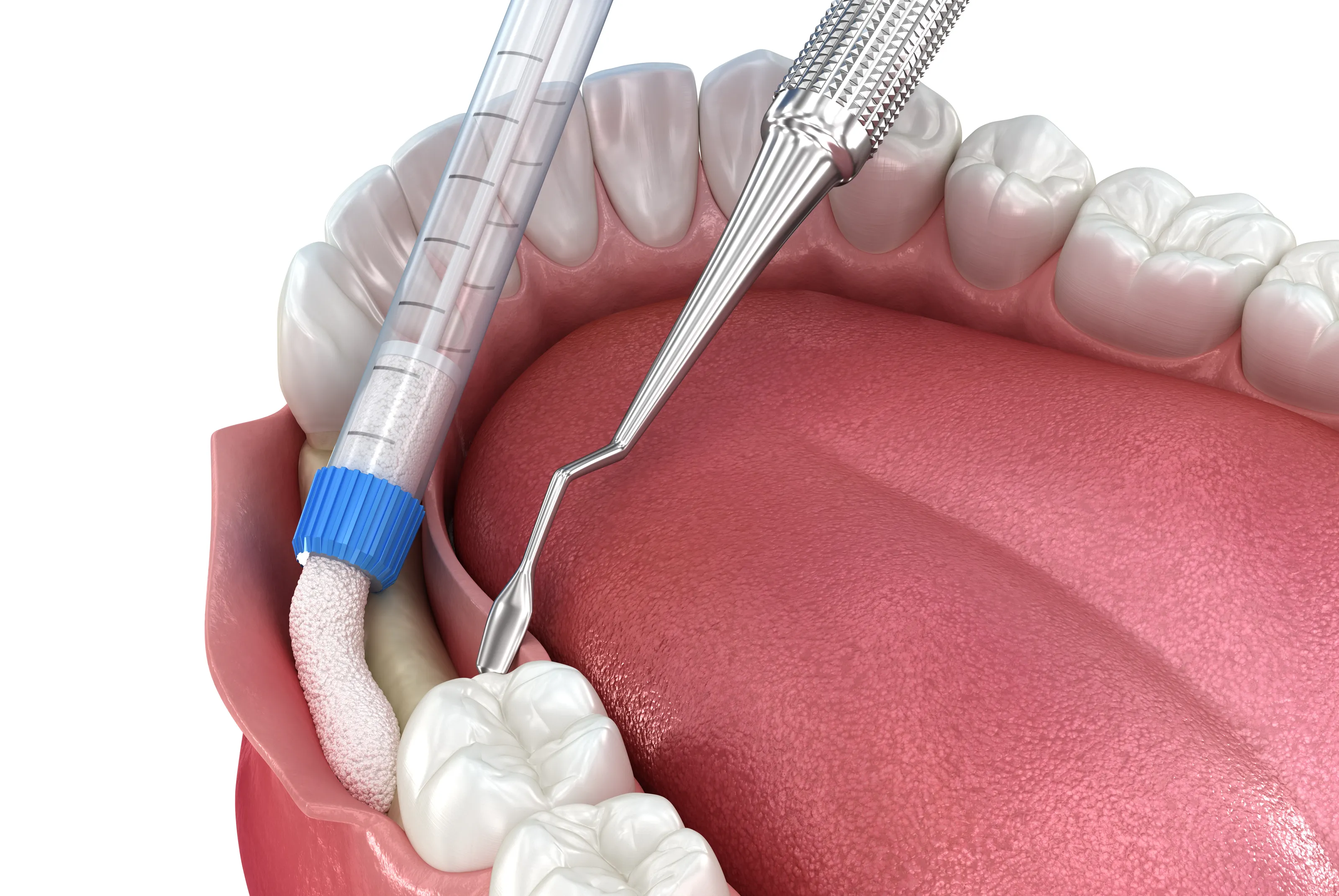
Socket preservation is often performed right after an extraction, aimed at holding onto the shape and volume of the bone before it has a chance to shrink. Ridge augmentation comes into play when the jawbone has already narrowed and needs to be built back out or up. Sinus lifts are common for the upper back teeth, where the sinus cavity sits close to the jaw and limits how much bone height is available. This kind of oral surgery is planned carefully around your specific anatomy, and whatever the method, grafting material, which might come from your own body, a donor source, or a synthetic option, gets placed to encourage new bone growth over the following months.
What to Expect During Recovery After a Bone Graft
Recovery looks a little different for everyone, but most people are back to their normal routine within a few days of the procedure. Some mild swelling, tenderness, or discomfort in the area is pretty common and can usually be managed with rest and over-the-counter pain relief, as recommended by your dental provider.
Full integration of the graft with your natural bone typically takes several months, since new bone needs real time to form and mature before it can dependably support an implant. During that stretch, your dentist may schedule follow-up visits and additional imaging to keep an eye on healing progress before moving ahead with implant placement. Sticking to your provider's aftercare instructions, including guidance on diet, oral hygiene, and activity level, tends to make for a smoother recovery overall.
How Dentists Decide If You Need Bone Grafting Before Implants
No two mouths are exactly alike, which is why a personalized evaluation matters so much before implant treatment gets underway. During a consultation, your dentist will typically go over your dental and medical history, take detailed X-rays or a CBCT scan, and examine the gum and bone tissue around the planned implant site.
This assessment is what helps map out whether grafting is needed, which technique fits best, and how it all lines up with your overall timeline. Patients researching dental implants in Brooklyn, NY tend to appreciate having this laid out clearly from the start, since it makes it a lot easier to set realistic expectations around appointments and healing time.
Cost and Timeline Considerations for Implant and Grafting Treatment
Adding a bone graft to your plan does stretch out the overall timeline, since the graft site needs time to heal before the implant itself goes in. Depending on how much bone loss you are dealing with, that can add anywhere from a few months to closer to a year. It can feel like a long wait, but most patients find it is a worthwhile step toward a more stable, longer-lasting outcome, and it is worth reading about how long dental implants actually last once they are properly integrated.
Cost will vary depending on the type of graft, the materials involved, and how complex your case is. Many dental offices offer financing options or work with insurance providers to help make the process more manageable financially. Bringing up cost and scheduling openly during your consultation can help you plan ahead with far fewer surprises later on.
Ready to Explore Your Options for Dental Implants?
If you are missing one or more teeth and want a clearer picture of what treatment could look like, a conversation with the team at Canarsie Dental Specialist is a good place to start. During your consultation, we can review your imaging, talk through whether bone grafting may be part of your plan, and help you feel confident about the steps ahead for dental implants in Brooklyn, NY. Reach out to Canarsie Dental Specialist today to schedule an evaluation and take the first step toward restoring your smile.
Frequently Asked Questions
Q: Does everyone need a bone graft before getting a dental implant?
A: No. Plenty of patients have sufficient bone density and can move straight to implant placement. Grafting only gets recommended when imaging and a clinical exam show that additional support is genuinely needed.
Q: Is bone graft surgery painful?
A: Most patients describe mild to moderate discomfort that is manageable with rest and over-the-counter pain relief, as directed by their dentist. Everyone's experience varies a bit depending on the extent of the procedure.
Q: How long do I have to wait between the graft and the implant?
A: Healing time can range from a few months to close to a year, depending on the type of graft and how your body responds. Your dentist will track progress with follow-up visits and imaging along the way.
Q: Can I still get dental implants in Brooklyn, NY if I have significant bone loss?
A: In many cases, yes. Bone grafting techniques such as ridge augmentation or sinus lifts are designed specifically to help patients with reduced bone volume become better candidates for implants.
Q: What type of grafting material is used?
A: Options can include bone from your own body, donor tissue, or a synthetic material. Your dental provider will recommend whichever option best fits your case during the consultation.
Q: How do I find out if I need a bone graft?
A: The most reliable way is to sit down for a consultation and imaging review with a qualified dental provider who can assess your bone structure and walk you through next steps.
.svg)


