


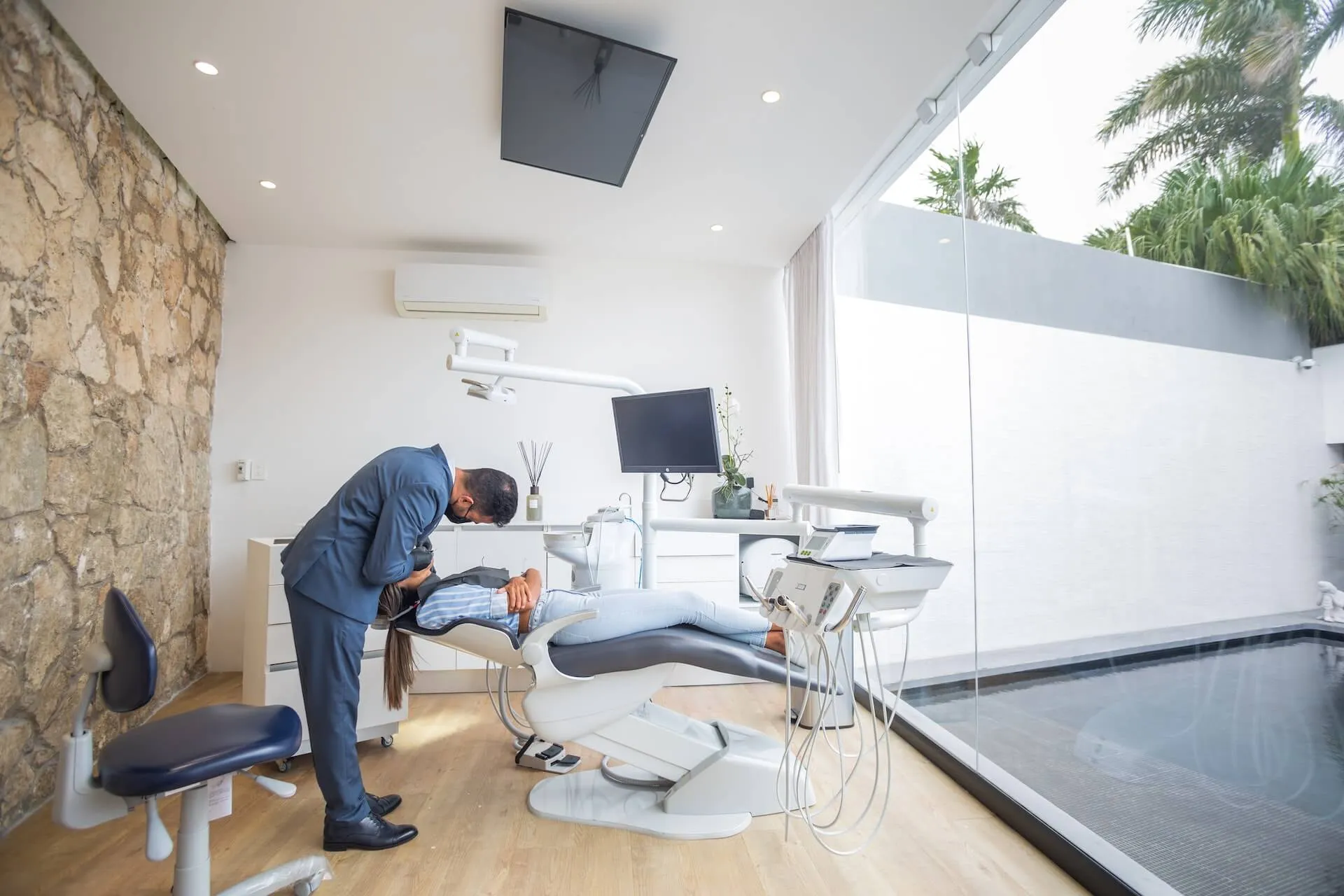

Losing primary teeth is a completely natural rite of passage for growing children. Most kids proudly show off a newly vacant space in their smile and look forward to a visit from the tooth fairy. However, when a child loses a primary tooth earlier than expected due to severe cavity decay, sudden athletic impact, or deep injury, parents often wonder what this means for their developing smile.
Baby teeth are far more than temporary placeholders for photo day. They serve as nature's guiding map for incoming permanent adult teeth. When a primary tooth falls out or requires extraction months or years ahead of its natural schedule, neighboring teeth tend to drift into the empty gap. This shifting can block permanent teeth from erupting in their proper alignment, leading to complex orthodontic crowding later on.
A pediatric space maintainer offers a simple, proactive way to hold that open space until the underlying adult tooth is ready to emerge safely.
Here is an informative guide on how primary teeth guide development, how space maintainers work, signs your child might need one, and what to expect during treatment.
Why Are Primary Teeth So Important for Permanent Tooth Alignment?
It is easy to assume that primary teeth do not require much attention since they eventually fall out anyway. In reality, primary molars and front teeth play several critical roles in childhood jaw development:
- Guiding Adult Teeth: Each primary tooth reserves a specific spot in the jawbone for the adult tooth developing directly underneath it.
- Supporting Proper Chewing: Primary molars allow children to chew nutritious, hard-textured foods comfortably during key growth stages.
- Facilitating Clear Speech Development: Front primary teeth help young children pronounce letters and form words correctly as speech patterns develop.
- Promoting Healthy Jaw Growth: The pressure exerted during daily chewing with primary teeth stimulates bone tissue, supporting normal jaw arch expansion.
When a primary tooth is lost prematurely, neighboring teeth gradually tilt, rotate, or slide into the open space. This drift narrows the available pathway, forcing incoming adult teeth to erupt crookedly, stay trapped under the gums, or emerge in unexpected positions.
What Exactly Is a Pediatric Space Maintainer and How Does It Work?
A pediatric space maintainer is a small, custom-crafted dental appliance made from medical-grade stainless steel or durable acrylic resin. Designed specifically for a child's unique mouth structure, its primary purpose is to keep nearby teeth anchored in place, preserving the exact gap left by a lost primary tooth.
Unlike complex orthodontic hardware used to shift teeth into new positions, a space maintainer is passive. It does not exert pressure or pull teeth. Instead, it simply acts as a sturdy barrier, keeping neighboring teeth from drifting inward until the adult tooth naturally emerges through the gums.
Once the permanent tooth begins breaking through the surface, your pediatric clinician safely removes the appliance, allowing natural eruption to continue smoothly.
Common Types of Space Maintainers for Children
Pediatric appliances are tailored according to which teeth are missing, how many primary teeth were lost, and your child's age and maturity level. They fall into two main categories:
Fixed Space Maintainers
Fixed appliances are gently cemented onto adjacent teeth using child-safe dental adhesive. Because they remain securely anchored in the mouth, fixed maintainers are ideal for younger children who might lose or forget to wear a removable tray.
Common fixed designs include:
- Band-and-Loop Appliance: Made from a thin stainless-steel band wrapped around a tooth next to the gap, with a curved wire loop resting against the tooth on the opposite side to keep the space open.
- Crown-and-Loop Appliance: Similar to a band-and-loop, but used when the supporting adjacent tooth requires a protective stainless-steel crown due to past decay or damage.
- Distal Shoe Appliance: Placed when a child loses a primary second molar before their first permanent six-year molar has erupted. The wire extends slightly under the gumline to guide the unseen adult molar into its proper track.
- Lingual Holding Arch or Nance Appliance: Used when primary teeth are missing on both sides of the lower or upper jaw, connecting both sides with a supportive wire arch across the palate or behind front teeth.
Removable Space Maintainers
Removable appliances look similar to clear retainers or pediatric partial dentures. They use acrylic bases and thin wire clips to fill open gaps. Removable options are generally reserved for older, responsible children who can keep the device clean and avoid misplacing it during meals or sports activities.
Clear Signs Your Child May Benefit from a Space Maintainer
Not every lost primary tooth requires an appliance. For instance, if an adult tooth is already close to emerging when the baby tooth falls out, a maintainer is rarely necessary.
Your child may benefit from an evaluation if you notice:
- Early Tooth Loss from Cavities: A primary tooth needed extraction due to advanced decay well before its natural exfoliation timeline.
- Accidental Dental Trauma: A baby tooth was knocked out completely during a playground fall or sports contact.
- Missing Teeth from Birth: A child was born without certain primary or secondary tooth buds, creating long-term structural gaps.
- Visible Tilting of Nearby Teeth: Teeth adjacent to an empty space have already started leaning or sliding toward the center of the gap.
- Tight Jaw Structure: Your child has a naturally narrow jaw arch where preserving every millimeter of space is crucial for preventing severe future crowding.
Practical Tips for Caring for a Space Maintainer at Home
Helping your child care for their appliance ensures that the surrounding gums stay healthy and the device stays firmly attached:
- Avoid Sticky and Hard Candies: Steer clear of chewy fruit snacks, caramels, bubble gum, and hard candies that can catch on wire loops or loosen cement seals.
- Brush Thoroughly Around Wires: Encourage your child to brush carefully around the bands and wires using a soft-bristled toothbrush to remove trapped food particles and soft plaque.
- Floss Gently Around Supporting Teeth: Help young children floss between supporting teeth and adjacent natural enamel without tugging upward on wire loops.
- Discourage Tongue or Finger Pushing: Remind your child not to press their tongue, fingers, or objects like pencils against the wire loops, which could bend or dislodge the frame.
- Attend Routine Dental Checkups: Keep regular checkups so your clinical team can monitor the underlying adult tooth's progress and ensure the appliance fits comfortably.
Schedule Your Pediatric Assessment at Canarsie Dental Specialist
If your child recently lost a primary tooth early or you have questions about preserving space for their adult smile, seeking professional clinical advice is the best step forward. The caring team at Canarsie Dental Specialist provides gentle pediatric evaluations, custom space maintainers, and comprehensive preventive care tailored to your growing child's needs. We focus on creating a friendly, comfortable environment where kids feel safe and parents feel fully informed. Contact Canarsie Dental Specialist today to schedule your consultation and keep your child's smile developing healthily and smoothly.
Frequently Asked Questions About Space Maintainers
Q: Does placing a space maintainer hurt my child?
A: No. Sizing and placing a space maintainer is a gentle, non-invasive process. The clinician carefully fits bands around existing teeth without drilling or sharp instruments, ensuring a comfortable fit.
Q: How long will my child need to wear a space maintainer?
A: The appliance remains in place until the underlying permanent tooth is ready to erupt. This can range from several months to a couple of years, depending on your child's age and developmental timeline.
Q: What should I do if my child's space maintainer comes loose?
A: If a band or wire loop feels loose or pops off, contact your dental care team promptly. Keep the appliance safe and avoid trying to bend or reattach it yourself.
Q: Can my child still eat normally with a space maintainer?
A: Yes. After a short adjustment period of a few days, children chew and speak normally. Simply avoid sticky, overly chewy, or extremely hard foods that could damage the wire frame.
Q: Will a space maintainer prevent the need for braces in the future?
A: While a space maintainer helps prevent severe crowding caused by shifting teeth, it does not guarantee that a child will never need braces. It simplifies future orthodontic care by protecting natural arch length.