



.svg)



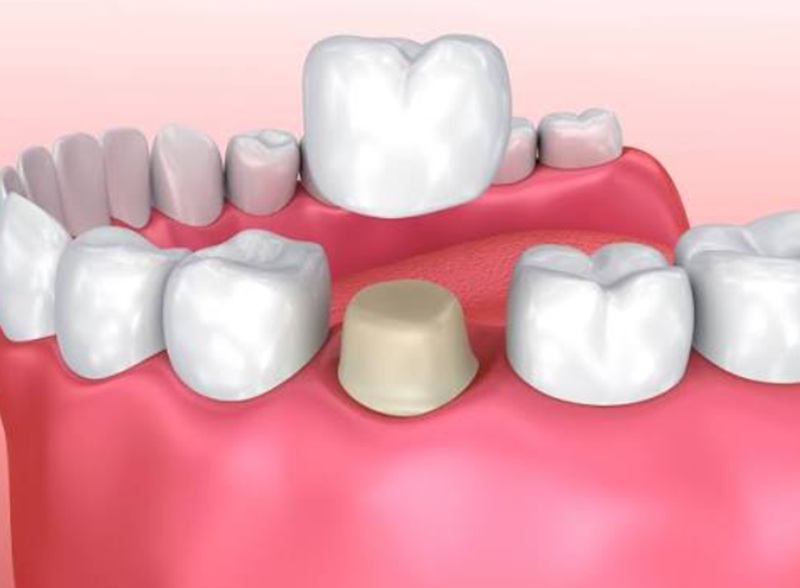
If your dentist recommends a crown when you expected a filling, it is natural to wonder why. Both treatments repair damaged teeth, but they are designed for different levels of damage.
A filling usually repairs a smaller area of decay or damage while keeping most of the natural tooth intact. A dental crown covers the visible part of a tooth and provides more support when the tooth has been badly damaged or weakened.
The right choice depends on the amount of healthy tooth structure left, the location of the damage, and how much pressure the tooth needs to handle.
At Canarsie Dental Specialist, patients can have damaged or painful teeth evaluated to determine which treatment is appropriate.
Dental Crown vs Filling: What Is the Difference?
The main difference is how much of the tooth each treatment repairs and protects.
Filling
- Repairs a small or moderate area of tooth decay or damage.
- Works best when most of the natural tooth is still strong.
- Preserves more of the natural tooth structure.
- Usually completed in one appointment.
- Generally costs less than a crown.
- Does not cover the entire visible tooth.
Dental Crown
- Covers most or all of the visible part of the tooth.
- Often used for badly damaged, cracked, or weakened teeth.
- Requires the tooth to be shaped so the crown can fit over it.
- May require two or more appointments.
- Generally costs more than a filling.
- Provides greater coverage and support for a weakened tooth.
When Is a Filling the Better Choice?
A filling is usually suitable when the damage is limited and enough healthy tooth remains.
Your dentist may recommend a filling when:
- The cavity is small or moderate.
- Only a limited part of the tooth is damaged.
- Enough healthy enamel and dentin remain.
- The tooth is structurally strong.
- There is no major crack or fracture.
- The tooth can handle normal chewing pressure after the decay is removed.
Composite resin is a common filling material. Your dentist removes the decay, cleans the area, places the filling, and shapes it to match the tooth.
Most fillings can be completed during one appointment.
If you have a cavity, early treatment can help prevent the decay from becoming larger and requiring more extensive treatment.
When Does a Tooth Need a Crown?
A crown may be recommended when a tooth has lost too much structure to be safely repaired with a filling.
Common reasons include:
Large Tooth Decay
A large cavity can remove a significant amount of the tooth's natural structure.
If only thin walls remain after the decay is removed, placing a large filling may not provide enough support. The remaining tooth may be more likely to fracture.
A crown covers the tooth and helps protect the remaining structure.
Cracked or Broken Teeth
A cracked tooth may need more protection than a filling can provide.
If the crack affects a significant part of the tooth, a crown may help hold the remaining structure together. However, treatment depends on where the crack is and how deep it extends.
A crack that reaches the pulp or root may require other treatment.
If you have sudden pain when biting or releasing your bite, do not ignore it. A dental examination can help identify the cause.
After Root Canal Treatment
A tooth that has received root canal treatment may need a crown, particularly when a large amount of tooth structure has been removed.
The need for a crown depends on the type of tooth, how much structure remains, and the amount of chewing force it receives.
Your dentist can explain whether the treated tooth needs additional protection.
Severely Worn Teeth
Teeth can become worn from grinding, clenching, acid erosion, or other causes.
When substantial tooth structure has been lost, a filling may not provide enough support. A crown may be considered to restore the tooth's shape and function.
If you grind or clench your teeth, treating the cause is also important. Otherwise, the new restoration can be placed under extra stress.
Large or Failed Dental Work
An old filling that is very large, cracked, or failing may leave little healthy tooth structure around it.
In some cases, replacing it with another filling is reasonable. In others, a crown may provide better long-term support.
The decision should be based on the condition of the tooth, not simply the age of the existing filling.
How Does Your Dentist Decide Between a Crown and Filling?
There is no single measurement that determines whether a tooth needs a crown.
Your dentist will examine the tooth and may take dental X-rays. The evaluation can include:
- How much healthy tooth remains
- How large the cavity or damaged area is
- Whether the tooth has cracks
- Where the damage is located
- Whether the tooth has already had a root canal
- How much biting force the tooth receives
- The condition of existing fillings or restorations
- Your overall oral health
The location of the tooth also matters.
Back teeth handle strong chewing forces. A large restoration on a molar may need more support than a similar-sized restoration on a front tooth.
The key question is whether the remaining natural tooth can safely support a filling.
If it can, a filling may be enough. If the tooth is too weak, a crown may provide better protection.
Crown vs Filling: What Does Each Procedure Involve?
Getting a Filling
A typical filling involves several steps.
First, your dentist numbs the area. The damaged tooth structure is then removed. The tooth is cleaned, and the filling material is placed.
For a tooth-colored composite filling, the material is shaped and hardened before your dentist checks your bite.
A filling is usually completed in one appointment, although the time depends on the size and location of the cavity.
Getting a Crown
A traditional dental crown usually takes more than one appointment.
During the first visit, your dentist prepares the damaged tooth by removing decay and shaping the tooth so the crown can fit over it.
A digital scan or impression may then be taken. A temporary crown can protect the tooth while the permanent restoration is being made.
At the next appointment, the permanent crown is checked for fit, shape, color, and bite before it is cemented into place.
Some dental offices offer same-day crowns, depending on their technology and the type of restoration required.
Is a Crown Better Than a Filling?
Not necessarily.
A crown is not automatically better simply because it covers more of the tooth.
If a tooth has a small cavity and plenty of healthy structure, a filling may be the more conservative option. It can restore the damaged area without removing additional healthy tooth structure.
A crown makes more sense when the tooth needs greater protection and support.
The best treatment is the one that matches the condition of the tooth.
Is a Filling Cheaper Than a Crown?
In most cases, a filling costs less than a crown.
However, price should not be the only factor when choosing treatment.
A large filling placed in a structurally weak tooth may fail or allow the tooth to fracture. If that happens, you may eventually need more extensive treatment.
On the other hand, placing a crown on a tooth that can be safely restored with a small filling may involve unnecessary treatment.
Ask your dentist why a particular restoration is recommended and what could happen if you choose another option.
What Happens If You Delay Treatment?
The longer tooth decay or structural damage remains untreated, the more the problem can progress.
A small cavity may become larger. Decay can eventually reach the inner part of the tooth, where the nerves and blood vessels are located.
A damaged tooth can also fracture further.
Depending on the problem, delayed treatment may lead to the need for:
- A larger restoration
- A crown
- Root canal treatment
- Tooth extraction
This does not mean every untreated cavity will become a serious problem. But there is no benefit in allowing known tooth damage to progress.
If you are experiencing tooth pain, sensitivity, swelling, or a broken tooth, arrange a dental evaluation.
How Can You Protect a Crown or Filling?
Good oral care helps both fillings and crowns last longer.
Brush twice a day with fluoride toothpaste and clean between your teeth daily. Regular dental visits also allow your dentist to check existing restorations for wear, cracks, or other problems.
If you grind or clench your teeth, ask whether a custom nightguard could help protect your teeth and restorations.
You should also avoid using your teeth to open packages or bite hard objects. These habits can damage both natural teeth and dental restorations.
When Should You See a Dentist?
Do not wait for severe pain before having a damaged tooth checked.
Make an appointment if you notice:
- A visible cavity
- A chipped or broken tooth
- Pain when biting
- Persistent tooth sensitivity
- A loose or damaged filling
- A crack in the tooth
- Food repeatedly getting stuck around one tooth
- Swelling around the tooth or gums
Early evaluation gives your dentist more options for treating the problem.
If you need broader care for cavities, damaged teeth, or other dental problems, you can learn more about dental services at Canarsie Dental Specialist.
Dental Crown vs Filling: Which One Do You Need?
A filling is generally used when a tooth has a smaller area of decay or damage and enough healthy structure remains.
A crown is generally considered when a tooth is significantly weakened, has extensive decay, has a large existing restoration, or needs additional protection after certain treatments.
The decision should be based on the condition of your individual tooth.
If you have been told that you need a crown but are unsure why, ask your dentist to show you the damaged area and explain how much healthy tooth remains. You can also ask what may happen if the tooth receives a filling instead.
At Canarsie Dental Specialist, a dental examination can help determine whether your tooth needs a filling, crown, or another form of treatment.
The sooner you address tooth damage, the more likely you are to keep the treatment simple and protect your natural tooth.
FAQs
Q: How do I know if I need a filling or a crown without seeing a dentist?
A: Honestly, you can't know for sure without an exam. Pain level, cavity size, how the tooth looks, none of that is reliable enough on its own. X-rays and a physical exam are what show how much healthy structure is actually left.
Q: Does getting a crown mean my tooth is in worse condition than I thought?
A: Not necessarily. It often just means there's less healthy structure left to support a filling long term, even if the cavity itself didn't look that big.
Q: Can a filling turn into needing a crown later?
A: Yes, it happens. If a filled tooth develops a crack, or the filling ends up too large relative to what's left of the tooth, a crown might get recommended down the road.
Q: Is a crown more painful to get than a filling?
A: Both are done with local anesthesia and feel pretty comparable. Some mild soreness afterward is normal either way.
Q: How long do fillings and crowns typically last?
A: Depends on you, your oral hygiene, and whether you grind your teeth. But fillings often last several years, and crowns tend to go longer thanks to the material and full coverage. Regular checkups at Canarsie Dental Specialist catch wear before it turns into a bigger issue.

.svg)


