

Dental implants are widely considered one of the most stable and reliable ways to replace missing teeth. Designed to integrate directly with your jawbone, a dental implant acts like a natural tooth root, supporting a custom crown or bridge that lets you eat, speak, and smile with confidence. However, if you suddenly notice movement in your restoration, you might naturally feel concerned and wonder: what happens if a dental implant feels loose?
Feeling a slight wiggle or instability in a dental implant can be unsettling, but it is important to know that movement does not automatically mean your entire implant post has failed. In many cases, the loose sensation comes from a minor component above the gumline, such as a loosened connecting screw or artificial crown, rather than an issue with the underlying post itself.
Understanding what happens if a dental implant feels loose, recognizing the underlying causes, and knowing what steps to take next can help you protect your investment and maintain excellent oral health.
Why Does a Dental Implant Feel Loose? Understanding the Primary Causes
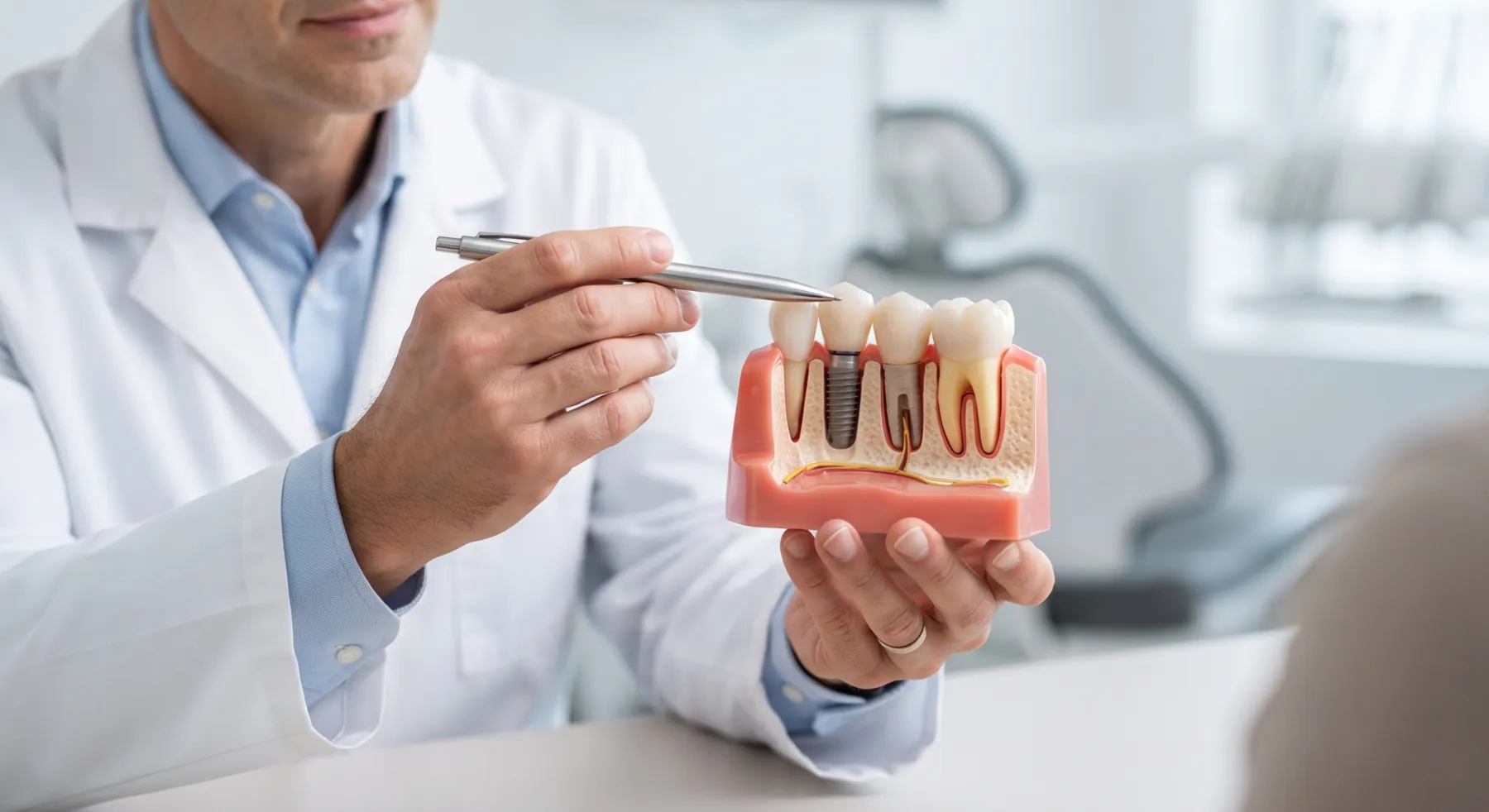
A complete dental implant consists of three key components: the titanium post placed into the jawbone, the abutment piece that attaches to the post, and the visible dental crown on top. Movement can stem from issues with any of these parts or from the surrounding gum and bone tissue.
Here are the main reasons why a dental implant might feel unstable:
1. A Loose Internal Abutment Screw or Crown
In many situations where a patient asks what happens if a dental implant feels loose, the titanium post itself remains firmly rooted in the jawbone. Instead, the small internal screw connecting the crown to the abutment may have gradually loosened due to everyday chewing pressure.
In other cases, the dental cement securing the crown onto the abutment post can wash out or break down over time. When this happens, the artificial crown wiggles slightly while the foundational post stays perfectly solid underneath.
2. Peri-Implantitis (Inflammation Around the Implant)
Peri-implantitis is an inflammatory condition affecting the soft tissue and bone surrounding a dental implant post. Similar to advanced gum disease around natural teeth, peri-implantitis typically develops when bacterial plaque builds up along the gumline.
If left untreated, chronic inflammation can cause gradual bone loss around the implant. As the supporting bone thins, the post loses its firm anchor, leading to noticeable movement, localized bleeding, or gum swelling.
3. Incomplete Osseointegration (Healing Issues)
Osseointegration is the process where natural bone cells grow around and attach securely to the titanium surface of the implant post. If this bonding process is interrupted during early healing by factors like excessive pressure, bacterial contamination, or underlying medical conditions, the post may fail to integrate properly.
When osseointegration is incomplete, the implant post remains unanchored in the bone tissue, resulting in mobility when you chew or touch the area.
4. Excessive Biting Pressure and Bruxism
Habitual teeth grinding or nighttime jaw clenching, known clinically as bruxism, places tremendous vertical and lateral forces on dental work. Over time, chronic grinding can loosen internal connector screws, crack ceramic porcelain crowns, or strain the surrounding bone, causing the restoration to feel unstable.
What Happens If a Dental Implant Feels Loose? Immediate Next Steps
If you notice any movement or an unusual sensation around your implant, taking structured, cautious steps helps protect your restoration and surrounding tissue.
Here is what you should do right away:
- Avoid Chewing on the Affected Side: Stop chewing food on the side of your mouth where the implant feels loose to prevent putting unnecessary stress on internal screws or delicate gum tissue.
- Do Not Try to Wiggle or Pull the Restoration: Avoid touching, pushing, or pulling the tooth with your fingers or tongue. Forcing a moving part can damage internal threads or irritate surrounding gums.
- Maintain Gentle Daily Oral Hygiene: Keep brushing the area gently using a soft-bristled toothbrush to prevent bacterial plaque accumulation, but avoid aggressive flossing around the loose component until it is clinically evaluated.
- Schedule a Clinical Evaluation: Contact your dental care team promptly. Early assessment allows your clinician to identify the root cause before a minor loose screw turns into a more complex structural problem.
How Dental Clinicians Treat an Unstable Dental Implant
When you visit your dentist to evaluate what happens if a dental implant feels loose, they will perform a physical exam and take digital X-rays to check the bone level and internal components.
Treatment strategies depend on the exact cause of the movement:
- Tightening or Replacing Internal Screws: If the implant post is stable and only the internal screw or crown is loose, your clinician can carefully remove the crown, inspect the internal threads, replace or tighten the screw using precise torque tools, and re-cement the crown.
- Treating Peri-Implantitis: If localized inflammation is present, treatment involves thoroughly cleaning around the post, removing bacterial plaque deposits, applying localized antimicrobial rinses, and refining home care habits to protect remaining bone support.
- Managing Unintegrated Posts: If the underlying post itself is loose due to failed osseointegration, it may need to be gently removed to allow the surrounding area to heal. In many cases, bone grafting can be performed to rebuild bone volume so a new post can be placed safely in the future.
Simple Tips to Keep Your Dental Implants Strong and Secure
Taking proactive care of your mouth is the best way to avoid issues with loose restorations over time:
- Maintain Consistent Daily Hygiene: Brush at least twice daily with a soft-bristled toothbrush and floss daily around your restorations to prevent plaque buildup near the gumline.
- Wear a Custom Nightguard for Grinding: If you clench or grind your teeth while sleeping, ask your dentist for a custom-fitted nightguard to absorb heavy jaw pressure and protect your restorations.
- Avoid Chewing Hard Objects: Steer clear of biting down on ice cubes, hard candies, or non-food items like pen caps that can apply sudden lateral pressure to crowns.
- Keep Regular Cleanings and Checkups: Routine professional examinations allow your clinical team to check the stability of your restorations and catch minor margin changes early.
Schedule Your Assessment at Canarsie Dental Specialist
If you are experiencing movement in a restoration or want clear answers on what happens if a dental implant feels loose, getting professional guidance is essential for protecting your smile. The experienced team at Canarsie Dental Specialist provides thorough evaluations, restorative care, and gentle treatments tailored to your unique needs. We prioritize your comfort at every step, helping you restore full stability and confidence to your bite. Contact Canarsie Dental Specialist today to schedule your consultation and keep your dental restorations healthy, strong, and comfortable.
Frequently Asked Questions About Loose Dental Implants
Q: Is a loose dental implant considered an emergency?
A: While a loose restoration is rarely a medical emergency, it should be evaluated by a dental professional as soon as possible. Seeking care quickly prevents further irritation to surrounding tissue and protects internal components.
Q: Can a loose dental implant screw tighten on its own?
A: No. A loose internal screw or un-cemented crown will not tighten by itself. It requires specialized clinical instruments to inspect, adjust, and secure safely.
Q: What happens if a dental implant feels loose but there is no pain?
A: Even if you do not feel pain, movement indicates that a component like a screw or cement seal has loosened. It is still important to have it evaluated by a clinician before chewing pressure causes additional wear.
Q: Will I need surgery to fix a loose implant?
A: Not necessarily. If the issue is simply a loose crown or internal abutment screw, your dentist can usually tighten or re-cement the restoration in a simple, non-surgical appointment.
Q: Can a failed implant post be replaced?
A: Yes. If an implant post fails to integrate with the bone, it can be removed safely. After the area heals and underlying bone density is rebuilt through bone grafting if necessary, a new post can often be placed.