



.svg)


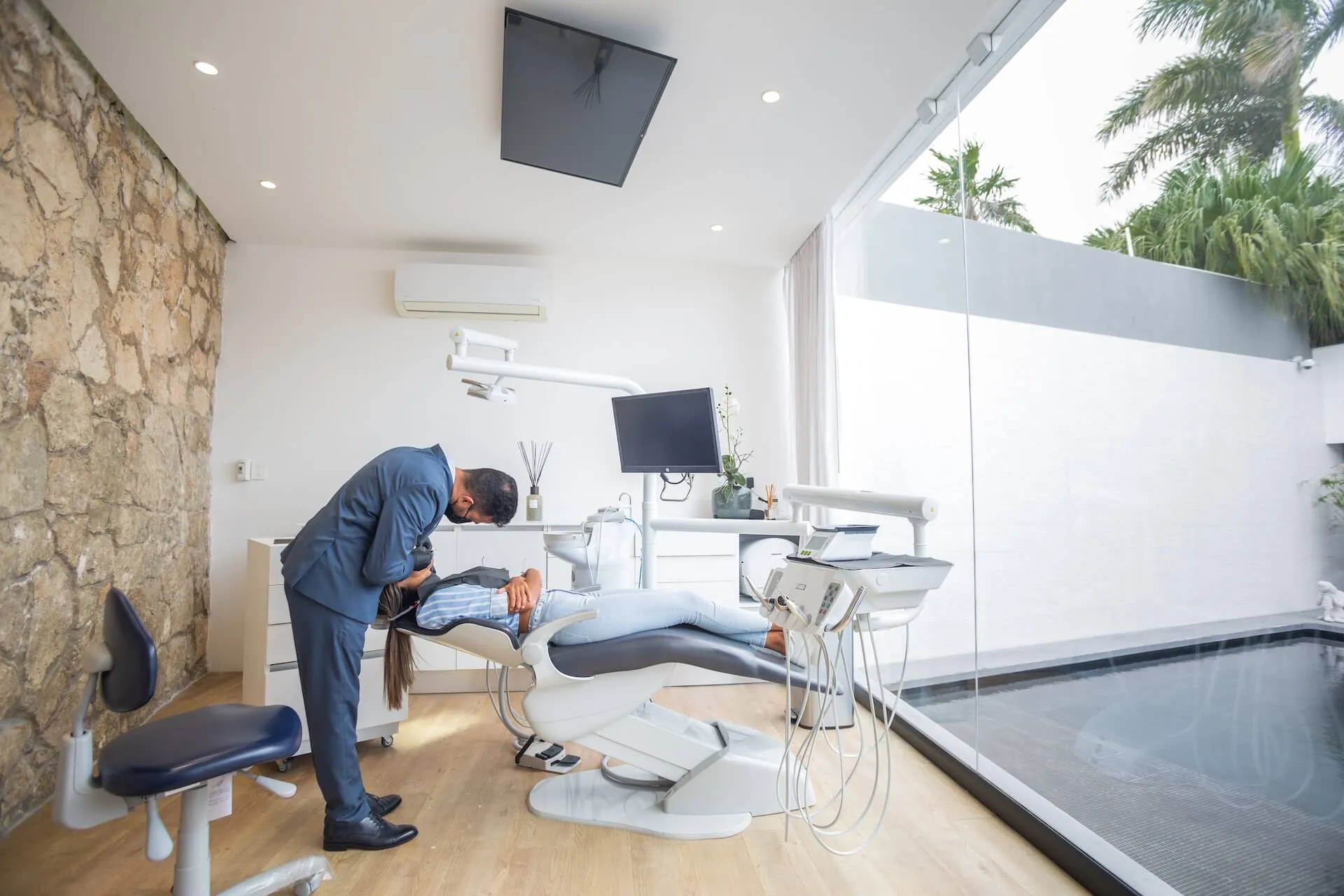

If you are thinking about straightening your teeth, one of the first questions that usually comes to mind is simple. How long do braces actually take to work? It is a fair question, especially if you are balancing work, social life, and long-term oral health goals.
The truth is, there is no one-size-fits-all answer. Braces treatment time can vary depending on several factors, including the complexity of your case, the type of braces used, and how closely you follow your orthodontist’s guidance. This guide will walk you through what affects timing, what to expect at each stage, and how you can help keep your treatment on track.
Understanding Braces Treatment Time
When people ask how long braces take, they are usually looking for a clear number. On average, treatments last about 12 to 24 months. However, some cases may be shorter, while others may take longer.
The treatment time for braces depends on how much movement your teeth need. Minor spacing issues may be resolved more quickly, while complex alignment or bite concerns often require more time. Age can also play a role, as younger patients may respond slightly faster to treatment due to ongoing growth.
It is important to remember that orthodontic treatment is a gradual process. Teeth move slowly and carefully to protect the surrounding bone and tissues. This is why patience is important for achieving a stable, healthy result.
Factors That Affect How Long Braces Take
Several key factors influence how long braces take for each individual. Understanding these can help set realistic expectations.
Severity of Alignment Issues
The more complex the alignment or bite problem, the longer the treatment time with braces may be. Crowding, large gaps, or significant bite issues often require more detailed adjustments over time.
Type of Braces
Different types of braces can affect treatment duration. Traditional metal braces, ceramic braces, and clear aligners each have their own approach. While all aim to achieve similar outcomes, efficiency may vary by case.
Patient Compliance
One of the biggest influences on how long braces take is how well you follow instructions. Wearing elastics as advised, attending appointments, and maintaining good oral hygiene all help keep treatment on schedule.
Age and Bone Response
Teeth tend to move more easily in younger patients. However, in some cases, adults can still achieve excellent results with slightly longer treatment times using braces.
Missed Appointments or Breakages
Delays can occur if brackets break or appointments are missed. These interruptions can extend the time of braces treatment, which is why consistency is important.
Typical Timeline of Braces Treatment
Understanding the stages of treatment can make the process feel more manageable.
Initial Consultation and Planning
Your journey begins with a detailed assessment. This may include digital scans, X-rays, and photographs. Based on this, a personalized plan is created to give you an estimate of how long braces will take in your specific case.
Placement of Braces
Once your braces are fitted, gentle pressure is applied to begin moving your teeth. This stage marks the start of your braces treatment time.
Adjustment Phase
You will attend regular appointments for adjustments. These visits allow your orthodontist to monitor progress and make necessary changes. This phase is where most of the tooth movement occurs.
Final Alignment and Refinement
As your teeth approach their desired position, smaller adjustments are made to refine the results. This stage ensures that both function and appearance are carefully considered.
Retention Phase
After braces are removed, retainers help maintain the new position of your teeth. While this is technically after active treatment, it is an important part of preserving your results.
Can You Speed Up the Time for Braces Treatment?
It is natural to wonder whether there is a way to shorten the time for braces treatment. While treatment cannot be rushed beyond safe limits, there are ways to help keep things moving efficiently.
Follow Instructions Carefully
Wearing elastics or aligners as directed can make a noticeable difference.
Maintain Good Oral Hygiene
Healthy teeth and gums respond better to orthodontic treatment. Good hygiene supports steady progress.
Keep Your Appointments
Regular visits allow for timely adjustments. Missing appointments can delay progress and extend the treatment time with braces.
Avoid Damaging Foods
Hard or sticky foods can break brackets or wires, which may slow down treatment.
Are Faster Results Always Better?
While it may be tempting to choose the quickest option, it is important to focus on safe, stable outcomes. Moving teeth too quickly can affect the surrounding bone and tissues.
A carefully planned braces treatment time allows your teeth to shift gradually and settle into their new position. This approach supports long-term stability and reduces the likelihood of relapse.
Life During Braces Treatment
Adjusting to braces takes a little time, but most patients adapt quickly.
You may notice some initial discomfort after adjustments, but this usually settles within a few days. Eating softer foods during this time can help.
Speech may feel slightly different at first, especially with certain appliances, but this typically improves as you get used to them.
With consistent care and attention, your daily routine will soon feel normal again.
Book Your Consultation at Canarsie Dental Specialist
If you are considering braces, the best way to get a clear answer is to consult a professional. Every smile is different, and your treatment plan should reflect your individual needs.
At Canarsie Dental Specialist, your orthodontic assessment is tailored to provide realistic timelines and a clear understanding of your braces treatment time. Book your consultation today to take the first step toward a straighter, healthier smile.
FAQs
Q: How long do braces take for most people?
A: For many patients, braces treatment time ranges from 12 to 24 months. However, the exact duration depends on individual factors such as alignment issues and treatment goals.
Q: Can braces work faster for minor issues?
A: Yes, minor spacing or alignment concerns may require a shorter braces treatment time, sometimes less than a year.
Q: Will I need retainers after braces?
A: Yes, retainers are typically recommended to help maintain the results after active braces treatment time is complete.
Q: Can I switch to clear aligners during treatment?
A: This depends on your case. Your orthodontist can advise whether switching options will affect the length of time braces take.

.svg)


