


Dental Crowns in Bensonhurst, Brooklyn
Wondering about dental crowns in Bensonhurst, Brooklyn? Learn when crowns are recommended, what they are made of, how the process works, and how to care for them.



Sometimes a tooth just needs more help than a filling can give. It might be cracked, heavily worn, or so restored over the years that there is not much of the original structure left. When that happens, a dentist may suggest a crown. If you have heard that word and are wondering what it really means, this page walks through dental crowns in Bensonhurst, Brooklyn in a way that is simple and honest, so you can feel prepared before you sit down for a conversation.
What Is a Dental Crown and Why Might You Need One?
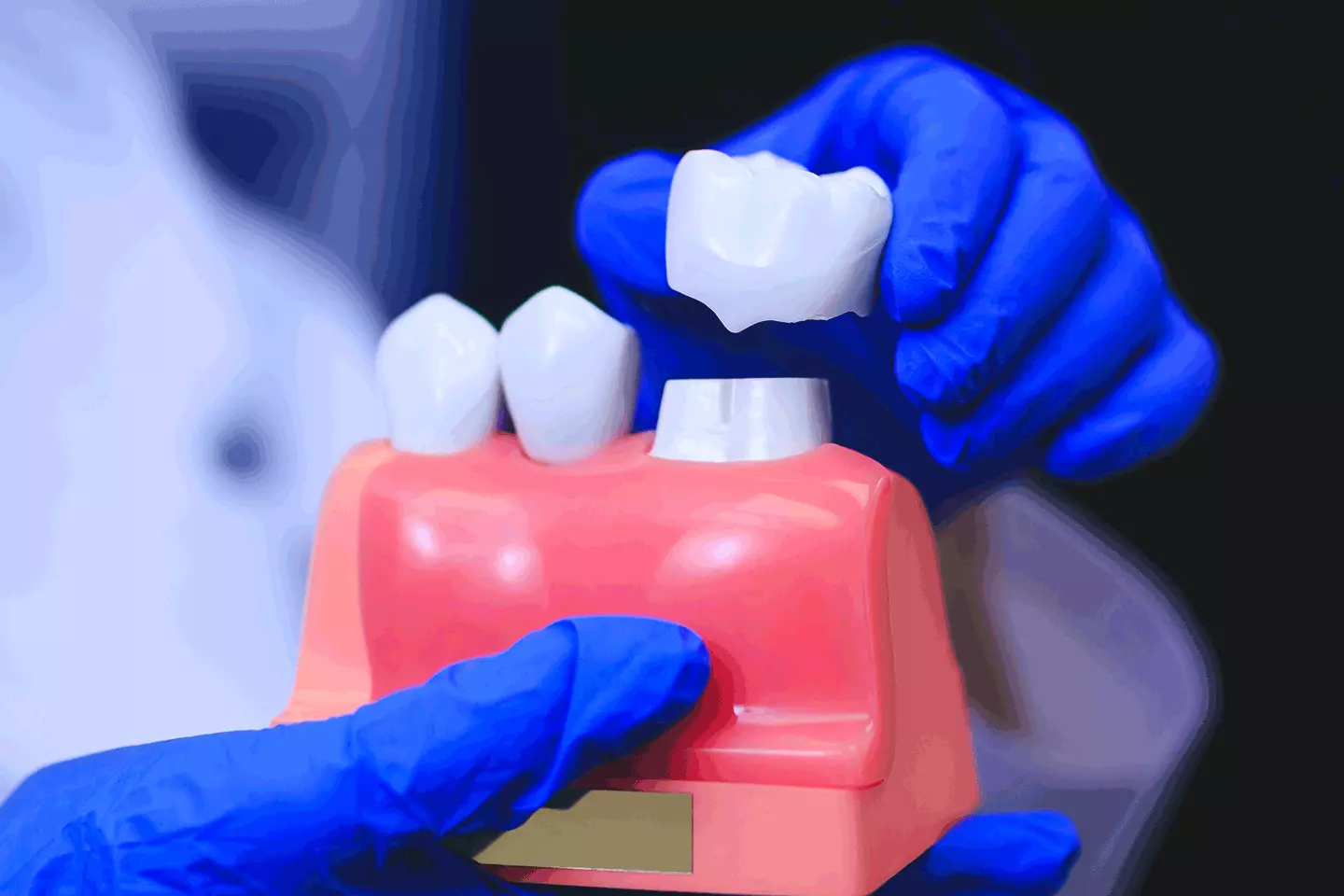
A dental crown is a cap that fits over a tooth, covering everything above the gumline. Think of it as a protective shell that restores the tooth's shape, size, and strength. It also holds a weakened tooth together, which can help protect it from further damage.
Dentists often recommend crowns for several reasons. A large cavity may have removed too much of the tooth for a regular filling to hold up. A cracked or broken tooth may need extra support. A tooth that has had a root canal can become more brittle, and a crown can help protect it. Crowns are also used to cover worn-down teeth, to complete a dental implant, and to improve the look of a misshapen or discolored tooth. Not every damaged tooth needs a crown, though, and your dentist will talk through whether a smaller repair might be enough.
What Are Dental Crowns in Bensonhurst, Brooklyn Made Of?
Crowns come in several materials, and each has its strengths. Here is a quick guide to what you may hear about.
- Porcelain or ceramic: These look very natural and can be matched to the color of your teeth, which makes them popular for front teeth.
- Zirconia: A strong ceramic material that is often used for both front and back teeth because of its durability.
- Metal alloys: Gold or other metal crowns are very durable and may be recommended for back teeth where chewing forces are strong, although they are more noticeable.
- Porcelain fused to metal: A metal base covered with porcelain, offering strength with a tooth-colored surface.
Your dentist will help you weigh appearance, strength, and your bite. When people ask about dental crowns in Bensonhurst, Brooklyn, material is one of the first things worth discussing.
How Long Does It Take to Get a Crown?
Most traditional crowns take two visits. At the first, your dentist numbs the area, gently reshapes the tooth, and takes impressions or digital scans to design your crown. A temporary crown is usually placed to protect the tooth while the permanent one is made, which can take a couple of weeks. At the second visit, the temporary crown is removed, and your permanent crown is checked for fit, color, and bite before being bonded in place.
Some dental offices use technology that can create a crown in a single visit. Whether that is available, and whether it is right for your tooth, depends on the practice and your situation. If a faster timeline matters to you, it is fine to ask about it.
What Is the Process for Dental Crowns in Bensonhurst, Brooklyn Like?
If you have never had one, it helps to know what to expect. After an exam, and usually X-rays, your dentist explains whether a crown is recommended and what it involves. On the day of preparation, local anesthesia is used, so most people feel pressure but not pain. The tooth is shaped to make room for the crown, and a precise record of its shape is taken. You may leave with a temporary crown in place.
Some sensitivity is common after preparation, especially to hot or cold, and it often settles within a few days. When you return for the final crown, your dentist will check that your bite feels comfortable. If something feels high or uneven, speak up, because small adjustments are easy to make at that stage.
How Long Do Dental Crowns Last, and How Do You Care for Them?
Nobody can promise an exact lifespan, but many crowns last a decade or more with good care. How long yours lasts depends on the material, your bite, your habits, and how well you look after the tooth underneath.
That last part is worth emphasizing. A crown itself cannot get a cavity, but the natural tooth beneath it, especially near the gumline, still can. Brushing twice a day, flossing daily, and keeping up with your cleanings are the best ways to protect it. Try to avoid chewing very hard things like ice or hard candy, and do not use your teeth as tools. If you grind your teeth, a night guard may help. And if a crown ever feels loose, cracked, or uncomfortable, call your dentist rather than waiting.
Crown or Filling? How Do You Know Which Is Right?
This is a question many people have. Fillings are often a good choice for smaller cavities, where enough of the tooth remains to support the repair. Crowns tend to make more sense when a tooth has lost a lot of structure, has a crack, or has had extensive previous work. Your dentist will look at how much healthy tooth remains, where the tooth sits in your mouth, and how much force it handles. If you are unsure, it is perfectly reasonable to ask why a crown is being recommended and whether there are alternatives.
What Should You Ask Before Getting Dental Crowns in Bensonhurst, Brooklyn?
A few questions can make your appointment more useful. Ask why a crown is recommended for this tooth and which material your dentist suggests. You might also ask how long the process will take, what the full cost looks like in writing, and how your insurance may apply. It also helps to ask what care the crown will need and what to expect if it ever needs replacing. Take your time, and take notes if that helps.
Ask About Dental Crowns in Bensonhurst, Brooklyn at Canarsie Dental Specialist
If a tooth has been bothering you, or your dentist has mentioned a crown and you would like to understand why, we are here to help. At Canarsie Dental Specialist, our team will examine your tooth, explain your options in plain language, and help you decide what makes sense, with no pressure. If you are exploring dental crowns in Bensonhurst, Brooklyn, we would be glad to answer your questions and talk through what to expect. We welcome patients from Bensonhurst and nearby Brooklyn neighborhoods. Contact Canarsie Dental Specialist today to schedule a consultation and learn more about dental crowns in Bensonhurst, Brooklyn.
Dental Crowns in Bensonhurst, Brooklyn FAQs
Q: Does getting a dental crown hurt?
A: The tooth is numbed before preparation, so most people feel pressure but not pain. Some sensitivity afterward is common and often settles within a few days.
Q: How many visits do dental crowns in Bensonhurst, Brooklyn usually take?
A: Traditional crowns usually take two visits, with a temporary crown in between. Some offices offer single-visit options, depending on their technology.
Q: Can a tooth under a crown still get a cavity?
A: Yes. The crown itself cannot decay, but the natural tooth underneath still can, especially near the gumline. Good brushing, flossing, and checkups help protect it.
Q: How long do crowns last?
A: Many last a decade or more with good care, though the timeline varies. Your habits, bite, and oral hygiene all play a part.
Q: Does insurance cover crowns?
A: Many plans offer partial coverage when a crown is needed for dental health, but it varies. The office can help you review your benefits.