

Laser Dentistry in East New York
Curious about laser dentistry in East New York? Learn how dental lasers work, which treatments they may be used for, and what to expect during your visit.


If the idea of dental treatment makes your shoulders tense up, you are not alone. The sounds, the instruments, and the anticipation of the unknown can make even a simple visit feel like a lot. That is one reason many people are curious about laser dentistry in East New York. Lasers are not a cure-all, and they are not right for every situation, but for some treatments they offer a precise, comfortable alternative to traditional tools. This page explains how dental lasers work, what they may be used for, and what a visit can look like, in plain language.
What Is Laser Dentistry and How Does It Work?
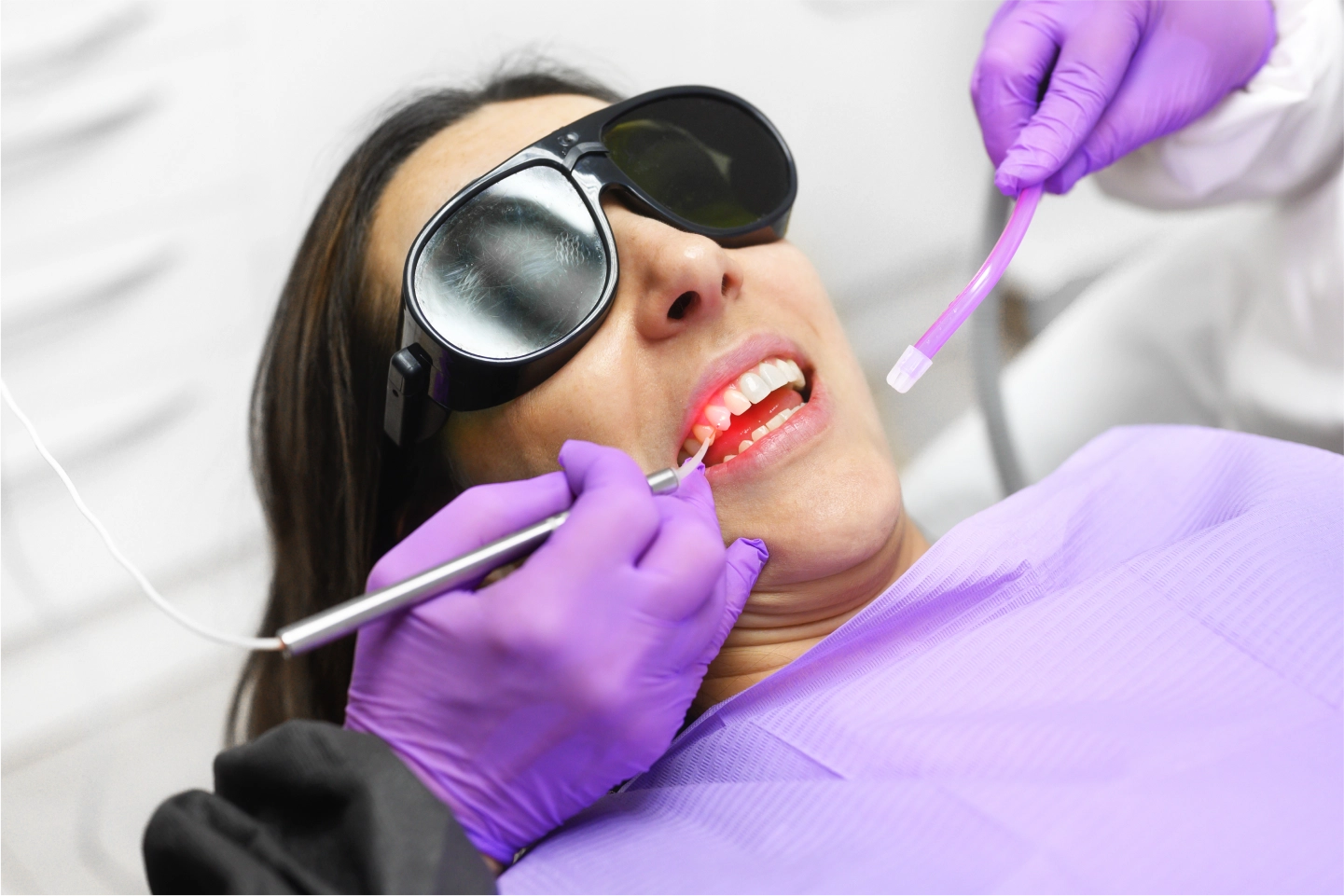
A dental laser is a handheld instrument that produces a very narrow beam of light energy. Depending on the type of laser and its settings, that energy can gently reshape gum tissue, help clean areas around the teeth, or in some cases remove decay. Think of it as a very fine tool that can do precise work in a small area.
There are two broad categories. Soft tissue lasers are used on the gums and other soft areas of the mouth. Hard tissue lasers are designed to work on teeth and, in some cases, bone. Not every office uses both types, and your dentist chooses the tool that makes sense for the task. When people ask about laser dentistry in East New York, a good first question is which treatments a given practice uses lasers for, and why.
Which Treatments May Use Laser Dentistry in East New York?
Lasers can be part of a range of dental procedures. Here are some of the most common uses people ask about.
- Gum contouring: Reshaping the gumline so teeth look more balanced, which is helpful for people with a gummy smile or uneven gums.
- Gum disease treatment: Lasers may be used as part of care to help clean and treat tissue around the teeth, alongside other approaches.
- Frenectomy: Releasing a tight band of tissue under the tongue or lip, which may affect movement or feeding in infants and speech or comfort in older children and adults.
- Cavity preparation: In some cases, a hard tissue laser can prepare a tooth for a filling.
- Sore relief and minor soft tissue procedures: Lasers may help with certain mouth sores or small tissue concerns.
- Teeth whitening support: Some offices use lasers or lights as part of a whitening process, though results depend on many factors.
Whether a laser is the right choice depends on your needs, your health, and what your dentist recommends. In many cases, traditional methods work very well, and lasers are simply one more option.
Why Do Some Patients Prefer Laser Dentistry in East New York?
People often ask what makes lasers appealing, and several things come up again and again. Keep in mind that experiences vary and that no technique suits everyone.
For one thing, lasers are precise. Because the beam is so narrow, your dentist can work on a very small area without affecting the surrounding tissue as much. Some patients also report less bleeding during soft tissue procedures, since the energy can help seal tiny blood vessels as it works. Others find they need less numbing for certain treatments, or that the sounds feel less intense than those of a traditional drill.
Healing can also feel different. Some people notice less swelling or discomfort after certain laser procedures, though this is not true for everyone. The best way to know what to expect is to talk with your dentist about your specific treatment.
What Does a Laser Dentistry Visit Feel Like?
For most people, it is less dramatic than they imagine. A visit usually starts with a conversation, where your dentist reviews your health history, looks at your teeth and gums, and explains what they recommend. If a laser is a good fit, they will walk you through the steps.
Everyone in the room, including you, wears protective eyewear. Your dentist may use a numbing gel or injection depending on the procedure and your comfort. During treatment, you may feel a light tapping, warmth, or pressure, though sensations vary. Many procedures are quick, and your dentist will check in with you along the way. Afterward, you will receive aftercare instructions, which may include eating soft foods or avoiding certain products for a short while.
If anything feels uncomfortable, say so. A good dental team wants to know, and they can adjust.
Is Laser Dentistry Safe, and Who May Not Be a Good Candidate?
Dental lasers are used by trained professionals as part of many routine procedures, and dental teams follow safety protocols, including protective eyewear and careful settings. Still, as with any treatment, there are situations where a laser may not be the best option.
For example, lasers may not be suitable for certain types of dental work, such as some procedures involving large existing fillings or metal restorations. People with particular medical conditions or medications may also need extra consideration. Your dentist will review your history and explain whether laser dentistry in East New York is a reasonable choice for you, or whether a different approach would serve you better.
How Does Laser Dentistry Compare With Traditional Dental Tools?
It is easy to assume that newer is always better, so here is a more balanced picture. Traditional tools, such as scalpels and dental drills, have a long track record and work very well for many procedures. They are often the best option for larger or more complex treatments.
Lasers shine in certain situations, particularly with delicate soft tissue work and some small cavities. They are not a replacement for every instrument, and many offices use both, choosing what makes the most sense for each patient. The best approach is the one that suits your needs, and a dentist who explains the reasoning behind their choice is a good sign.
What Questions Should You Ask About Laser Dentistry in East New York?
Going into a consultation with a few questions can help you feel more at ease. You might ask which of your treatments may use a laser and why, whether there are alternatives, and what the recovery may look like. It is also fair to ask about cost, since laser procedures may be priced differently, and whether insurance covers them. If you are nervous, tell the team. Many people find it easier when they know what to expect and feel heard.
Learn More About Laser Dentistry in East New York With Canarsie Dental Specialist
If you are curious about whether laser dentistry might be a good fit for you, a conversation is the best place to start. At Canarsie Dental Specialist, our team will take time to look at your teeth and gums, hear your concerns, and explain whether laser dentistry in East New York could be an option, along with other approaches to consider. We will answer your questions in plain language and go at a pace that feels comfortable. We welcome patients from East New York and nearby Brooklyn neighborhoods. Contact Canarsie Dental Specialist today to schedule a visit and learn more about laser dentistry in East New York.
Laser Dentistry in East New York FAQs
Q: Does laser dentistry hurt?
A: Many people find laser procedures comfortable, and some may need less numbing, but experiences vary. Your dentist can explain what to expect and how comfort is managed.
Q: Is laser dentistry in East New York used for gum disease?
A: Lasers may be used as part of gum disease treatment in some cases, often alongside other methods. Your dentist can tell you whether it makes sense for your situation.
Q: Can lasers replace dental drills completely?
A: Not in every case. Lasers can handle some procedures well, while drills and other tools remain the better choice for many treatments. Your dentist will recommend what fits.
Q: How long does recovery take after a laser procedure?
A: It depends on the treatment. Some people feel normal quickly, while others notice mild soreness for a few days. Your dentist will give you aftercare instructions.
Q: Is laser dentistry covered by insurance?
A: Coverage varies by plan and procedure. The dental office can help you review your benefits.