
.svg)


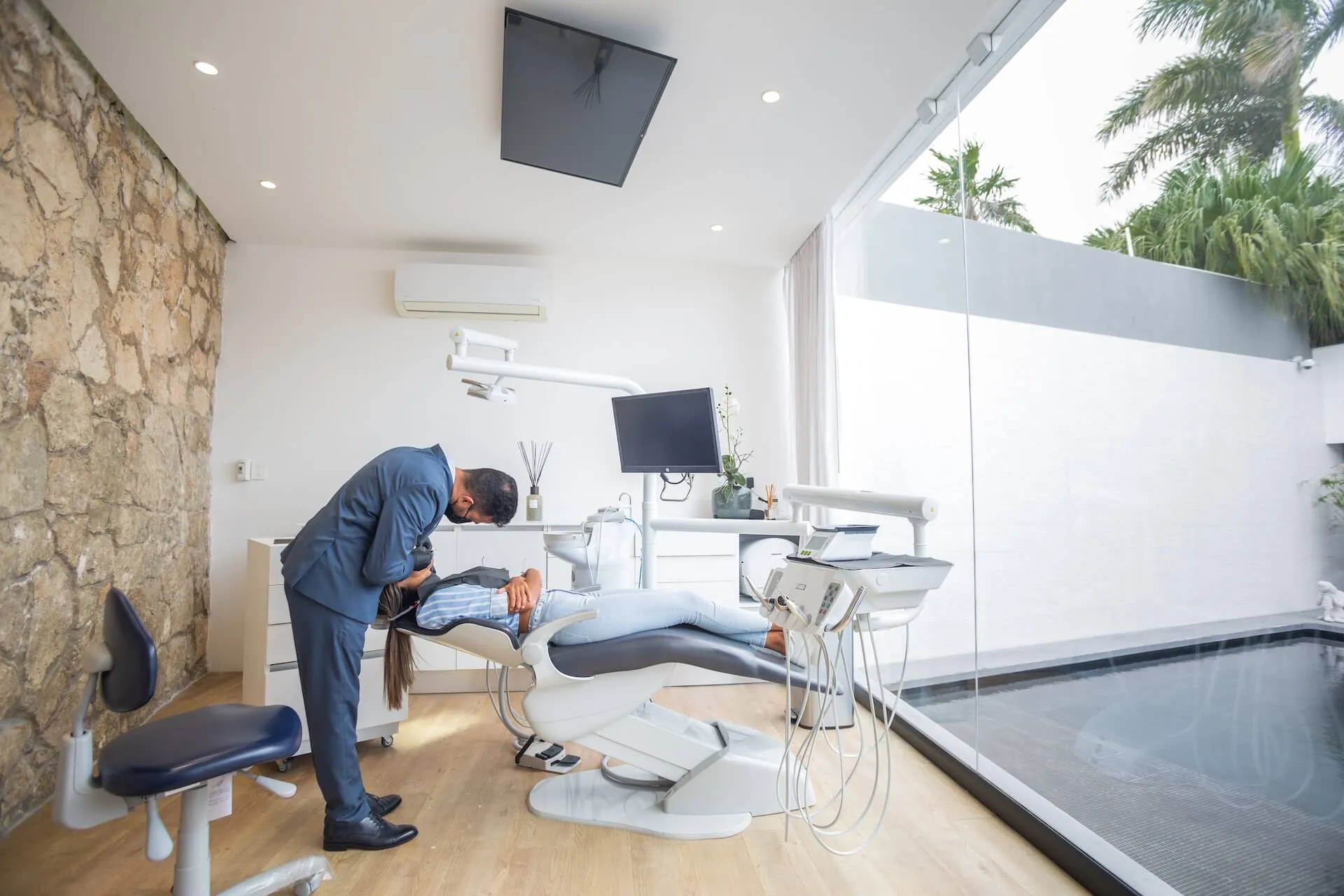





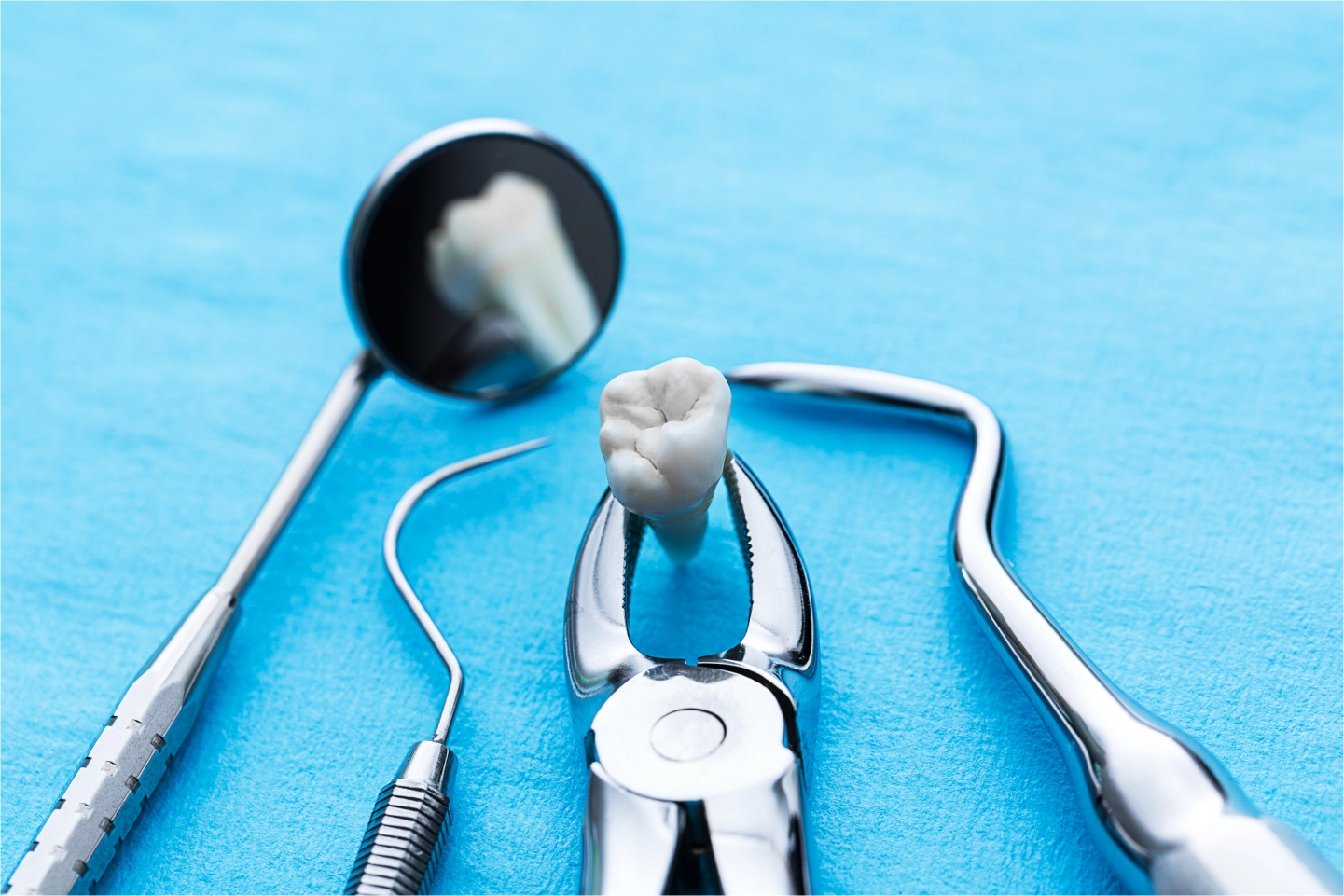
Hearing that a tooth may need to be removed can feel overwhelming. Most people naturally hope to keep their natural teeth for as long as possible. In some situations, however, removing a tooth may be the most appropriate way to protect your overall oral health. Dental extractions in Brooklyn, NY, are carefully considered and recommended only when other treatment options are not suitable.
Whether you are dealing with discomfort, infection, or a damaged tooth, understanding the process can help you feel more at ease. This guide walks you through when extractions are recommended, what to expect, and how to recover comfortably.
What Are Dental Extractions?
Dental extractions in Brooklyn, NY, involve the removal of a tooth from its socket in the jawbone. This may be recommended when a tooth is severely decayed, damaged beyond repair, or affecting the health of surrounding teeth.
There are two main types of extractions. A simple extraction is performed when the tooth is visible and easily accessible. A surgical extraction may be needed if the tooth is broken, impacted, or below the gum line.
Before recommending dental extractions, your dentist will carry out a detailed examination, often using digital imaging. The goal is to make a well-informed decision that supports your long-term oral health.
When Are Dental Extractions Recommended?
Tooth removal is usually considered when preserving the tooth is not likely to be effective. There are several situations where dental extractions in Brooklyn, NY, may be advised.
Severe Tooth Decay or Infection
When decay reaches deep into the tooth and cannot be managed with treatments such as fillings or root canal therapy, extraction may be considered.
Advanced Gum Disease
Gum disease can weaken the structures supporting your teeth. In some cases, removing a tooth may help manage the condition and protect surrounding areas.
Broken or Damaged Teeth
Teeth that are fractured below the gum line or cannot be restored may require dental extractions in Brooklyn, NY.
Crowding or Orthodontic Needs
Sometimes, teeth may need to be removed to create space for alignment treatments. This is planned carefully as part of a broader treatment approach.
Impacted Teeth
Teeth that do not fully emerge, such as wisdom teeth, may need to be removed if they are causing discomfort or other concerns.
Each case is different, and your provider will explain the reasoning behind any recommendation.
The Dental Extraction Process
Understanding what happens during dental extractions in Brooklyn, NY, can help reduce uncertainty and make the experience feel more manageable.
Consultation and Planning
Your visit begins with an examination and imaging to assess the tooth and surrounding structures. This helps determine the most appropriate approach.
Numbing and Comfort Measures
The area is numbed using local anesthesia. Sedation options may also be discussed depending on your needs and the complexity of the extraction.
Tooth Removal
For a simple extraction, the tooth is gently loosened and removed. In surgical cases, a small incision may be made to access the tooth. The method used depends on your specific situation.
Aftercare Guidance
Once the tooth is removed, you will receive detailed instructions to support healing after your dental extractions in Brooklyn, NY.
The procedure itself is typically straightforward, though timing can vary by case.
Recovery and Aftercare
Recovery is an important part of the process. After dental extractions in Brooklyn, NY, most patients experience some mild discomfort or swelling for a few days.
Managing Discomfort
Your provider may recommend medication or home care steps to help manage symptoms. Applying a cold compress can also help reduce swelling.
Eating and Drinking
Soft foods are usually recommended initially. Avoiding hot, hard, or crunchy foods can help protect the area during healing.
Oral Hygiene
Keeping the mouth clean is essential, but you may need to avoid brushing directly over the extraction site for a short time. Gentle rinsing may be advised.
Following aftercare instructions carefully can support a smoother recovery and reduce the risk of complications.
What We Offer
Our approach to dental extractions in Brooklyn, NY, focuses on careful planning, patient comfort, and clear communication. Depending on your needs, we offer:
- Routine simple tooth extractions
- Complex surgical extractions
- Painless wisdom tooth removal using appropriate comfort measures
- Advanced bone preservation techniques to support future treatment options
- Comprehensive sedation options tailored to your level of comfort
Each treatment plan is individualized to ensure your care aligns with your specific oral health needs.
When to See a Dentist?
If you are experiencing persistent pain, swelling, or damage to a tooth, it is worth scheduling an evaluation. Early assessment can help determine whether treatment or monitoring is the best approach.
Even if you are unsure whether you need dental extractions in Brooklyn, NY, a consultation can provide clarity and help you explore your options.
Book Your Consultation at Canarsie Dental Specialist
If you have been advised that a tooth may need to be removed or are experiencing ongoing discomfort, a professional evaluation can help you understand your next steps. Dental extractions in Brooklyn, NY, are carefully planned with your comfort and long-term oral health in mind.
At Canarsie Dental Specialist, your consultation includes a thorough assessment and a clear explanation of your options. Book your appointment today to take the first step toward relief and a healthier smile.
FAQs
Q: Are dental extractions always necessary?
A: Not always. Your dentist will usually explore other options first. Dental extractions in Brooklyn, NY, are recommended when a tooth cannot be effectively restored.
Q: Is the procedure painful?
A: The area is numbed during the procedure to keep you comfortable. Some discomfort afterward is normal and usually manageable with care.
Q: How long does it take to recover?
A: Most patients begin to feel better within a few days, although full healing may take longer depending on the extraction.
Q: Can I return to normal activities after an extraction?
A: Many people return to routine activities within a day or two, but it is best to follow your provider’s advice based on your case.



.svg)


