
.svg)






Modern dentistry is not just about what can be seen with the naked eye. Many dental concerns develop beneath the surface, which is why imaging plays such an important role in diagnosis and treatment planning. Digital dental X-rays are a commonly used tool that helps your dentist gain a clearer understanding of your oral health.
Whether you are coming in for a routine check-up or addressing a specific concern, digital dental X-rays can provide valuable insights that support accurate and timely care. If you have ever wondered why they are recommended, this guide will walk you through what they are, how they work, and what to expect.
What Are Digital Dental X-Rays?
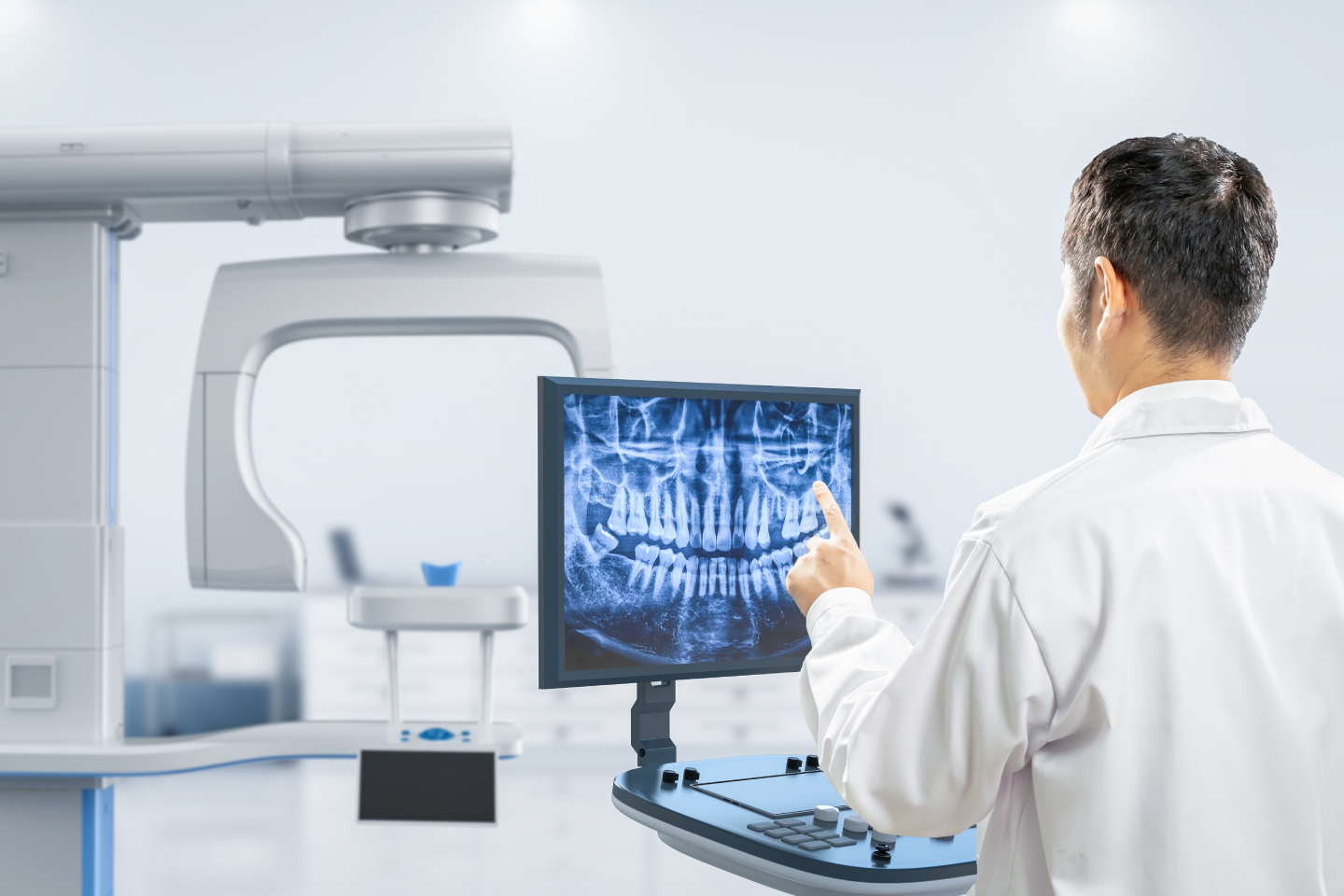
Digital dental X-rays are a type of imaging technology that captures detailed images of your teeth, gums, and jaw. Unlike traditional film-based methods, these images are taken using digital sensors and displayed instantly on a screen.
This allows your dentist to examine areas that are not visible during a clinical exam, such as between teeth, below the gumline, and inside the bone. Digital dental X-rays are often used to help identify cavities, infections, bone loss, and other concerns.
Because the images are digital, they can be enlarged or adjusted for better clarity. This helps your provider explain findings more clearly and involve you in your treatment planning.
Types of Digital Dental X-Rays
There are several types of digital dental X-rays, each designed to capture specific areas of the mouth.
Bitewing X-Rays
These images focus on the upper and lower teeth in a specific area. They are commonly used to check for cavities between teeth and assess bone levels.
Periapical X-Rays
These show the entire tooth, including the root and surrounding bone. They are often used when there is pain or concern about infection.
Panoramic X-Rays
This type provides a broad view of the entire mouth, including the jaw, teeth, and sinuses. It is often used for treatment planning, including extractions or orthodontics.
Each type of digital dental X-rays serves a specific purpose, and your dentist will recommend the appropriate one based on your needs.
What to Expect During the Process?
If you have not had digital dental X-rays before, you may be wondering what the experience is like. The process is usually quick and straightforward.
Preparation
You may be asked to remove any metal objects, such as jewelry, that could interfere with the image.
Image Capture
A small sensor is placed inside your mouth, and the X-ray machine is positioned to capture the image. You will be asked to remain still for a few seconds.
Instant Results
One advantage of digital dental X-rays is that the images are available immediately. Your dentist can review them with you and explain any findings.
Most patients find the process comfortable and easy to complete during a routine visit.
Are Digital Dental X-Rays Safe?
Safety is a common concern in imaging. Digital dental X-rays use low levels of radiation, and protective measures such as lead aprons may be used during the process.
Your dentist will only recommend X-rays when they are considered appropriate for your situation. The frequency of digital dental X-rays depends on your oral health, risk factors, and any existing concerns.
If you have questions about safety or timing, your provider will discuss them with you and tailor recommendations accordingly.
How Often Do You Need Digital Dental X-Rays?
There is no fixed schedule for everyone. The need for digital dental X-rays varies based on your individual oral health and history.
For some patients, X-rays may be taken during routine check-ups to monitor changes. For others, they may be recommended when specific symptoms or concerns arise.
Your dentist will consider factors such as your risk of cavities, gum health, and any previous dental work when deciding how often digital dental X-rays are needed.
Benefits of Digital Dental X-Rays
There are several reasons why digital dental X-rays are widely used in modern dental care.
Clear and Detailed Images
Digital technology enables high-quality images that can be adjusted for improved visibility.
Faster Results
Images are available immediately, which helps streamline your appointment and treatment planning.
Improved Communication
Being able to see your own X-rays can help you better understand your oral health and recommended care.
Reduced Radiation Exposure
Compared with traditional methods, digital dental X-rays generally use lower radiation levels.
While benefits can vary, many patients find that this technology supports a more informed and efficient dental experience.
Book Your Dental X-Ray Appointment
If you are due for a check-up or have concerns about your oral health, digital dental X-rays can provide valuable insight. They are an important part of understanding what is happening beneath the surface.
At Canarsie Dental Specialist, imaging is carried out with attention to detail and patient comfort. Book your appointment today to benefit from modern digital dental X-rays and a clear, informed approach to your dental care.
FAQs
Q: What are digital dental X-rays used for?
A: They are used to capture images of your teeth and supporting structures to help identify issues that may not be visible during an exam.
Q: Are digital dental X-rays safe?
A: They use low levels of radiation and are recommended based on your individual needs. Your dentist will discuss any concerns you may have.
Q: How long does the process take?
A: The process is usually quick and can be completed within a few minutes during your appointment.
Q: Are digital X-rays better than traditional ones?
A: They offer advantages such as faster results and lower radiation exposure, but your dentist will use them as part of a broader diagnostic approach.



.svg)


