
.svg)




Scaling and Root Planing (Deep Cleaning)
Deep cleaning to treat gum disease and restore gum health.


Gum health plays a major role in your overall oral well-being. When plaque and bacteria build up below the gumline, routine cleanings may not be enough to manage the condition. In these cases, scaling and root planing (deep cleaning) in Brooklyn is often recommended to help restore gum health and prevent further progression.
If you have noticed bleeding gums, bad breath, or gum recession, you are not alone. These are common concerns that may point to early or moderate gum disease.
What Is Scaling and Root Planing?
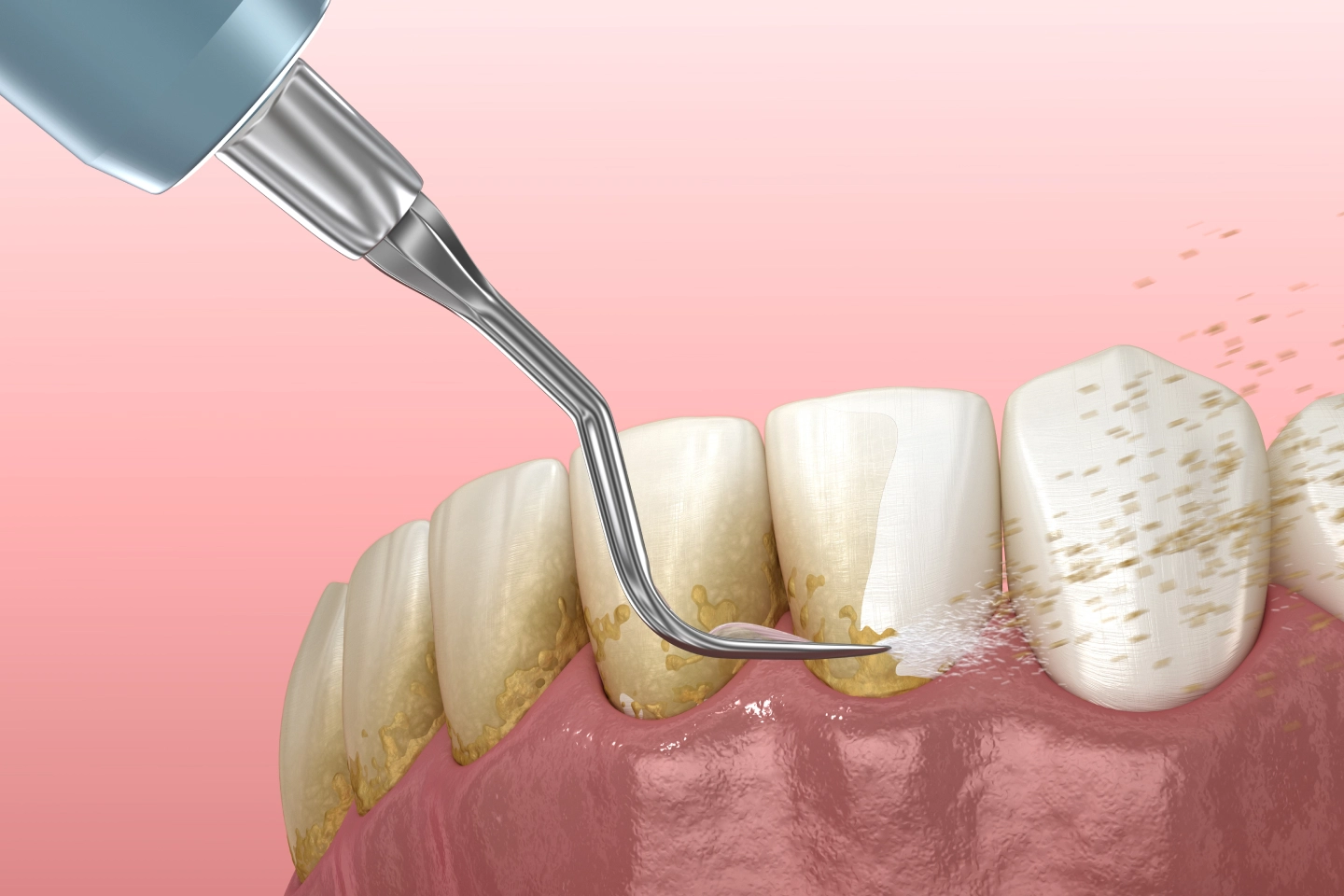
Scaling and root planing (deep cleaning) is a non-surgical treatment for gum disease. It focuses on removing plaque, tartar, and bacteria from below the gumline, where regular brushing and standard cleanings cannot reach.
The procedure is typically done in two parts. Scaling involves cleaning the tooth surfaces and removing buildup. Root planing smooths the root surfaces to help the gums reattach more effectively.
This type of periodontal treatment is often recommended when signs of gum inflammation or pockets forming between the teeth and gums are present. Scaling and root planing (deep cleaning) is designed to support healthier gums and reduce the risk of further complications.
Signs You May Need a Deep Cleaning
Gum disease does not always cause pain in its early stages, which is why it can go unnoticed. Several signs may indicate the need for scaling and root planing (deep cleaning) in Brooklyn.
Bleeding Gums
If your gums bleed when brushing or flossing, it may be a sign of inflammation caused by bacterial buildup.
Persistent Bad Breath
Ongoing bad breath can be linked to bacteria below the gumline. This is a common reason patients seek scaling and root planing (deep cleaning) in Brooklyn.
Gum Recession
When gums begin to pull away from the teeth, it can expose the roots and create sensitivity.
Swollen or Tender Gums
Inflamed gums may appear red, puffy, or feel tender to the touch.
If you are experiencing any of these symptoms, a professional evaluation can help determine whether deep cleaning is appropriate.
The Scaling and Root Planing Process
Understanding the steps involved in scaling and root planing (deep cleaning) in Brooklyn can make the experience feel more manageable.
Initial Assessment
Your dentist or hygienist will examine your gums and may measure the depth of the pockets around your teeth. This helps determine the extent of treatment needed.
Numbing the Area
Local anesthesia may be used to help keep you comfortable during the procedure, especially if deeper areas are being treated.
Scaling
Special instruments are used to remove plaque and tartar from above and below the gumline.
Root Planing
The root surfaces are smoothed to help reduce bacterial buildup and support gum healing.
Depending on your needs, scaling and root planing (deep cleaning) may be completed in one or more visits.
Benefits of Scaling and Root Planing
When recommended appropriately, scaling and root planing (deep cleaning) in Brooklyn can offer several potential benefits for your oral health.
Improved Gum Health
Removing bacteria and buildup can help reduce inflammation and support healthier gums.
Reduced Pocket Depth
Smoothing the roots may help the gums reattach more effectively, thereby reducing pocket depth over time.
Fresher Breath
Addressing the source of bacteria can help improve breath quality.
Support for Long-Term Oral Health
Managing gum disease early may help protect the supporting structures of your teeth.
While results vary from person to person, many patients notice improvements in gum comfort and appearance after treatment.
Recovery and Aftercare
After scaling and root planing (deep cleaning) in Brooklyn, it is normal to experience some sensitivity or mild discomfort for a short period.
Managing Sensitivity
Your dentist may recommend desensitizing toothpaste or other products to help manage sensitivity.
Maintaining Oral Hygiene
Brushing and flossing regularly is essential to support healing and prevent further buildup.
Follow-Up Visits
You may be scheduled for follow-up appointments to monitor your progress and ensure your gums are responding well to treatment.
Good home care and regular dental visits play an important role in maintaining the results of scaling and root planing (deep cleaning).
Preventing Gum Disease After Treatment
Once you have completed scaling and root planing (deep cleaning), maintaining your results becomes the focus.
Daily brushing and flossing, along with routine professional cleanings, can help keep bacteria under control. Your dentist may also recommend periodontal maintenance visits at specific intervals.
Lifestyle factors such as smoking or diet can also influence gum health. Making small, consistent changes can support long-term stability and reduce the likelihood of recurrence.
Book Your Deep Cleaning Consultation
If you are experiencing signs of gum disease or have been advised to consider treatment, a professional evaluation can help you move forward with confidence. Scaling and root planing (deep cleaning) in Brooklyn is carefully tailored to your individual needs.
At Canarsie Dental Specialist, your consultation includes a thorough gum assessment and clear guidance on next steps. Book your appointment today to take a proactive step toward healthier gums and improved oral health.
FAQs
Q: What is scaling and root planing?
A: It is a deep cleaning procedure that removes plaque and tartar from below the gumline and smooths the tooth roots. Scaling and root planing (deep cleaning) in Brooklyn is commonly used to manage gum disease.
Q: Is deep cleaning painful?
A: Local anesthesia is often used to help keep you comfortable during the procedure. Some sensitivity afterward is normal but usually temporary.
Q: How do I know if I need scaling and root planing?
A: Signs such as bleeding gums, bad breath, and gum recession may indicate the need for scaling and root planing (deep cleaning) in Brooklyn.
Q: Is scaling and root planing the same as a regular cleaning?
A: No, it is a more detailed procedure that targets areas below the gumline where bacteria can accumulate.



.svg)


