
.svg)






Wisdom teeth are the last set of molars to develop, usually appearing in your late teens or early twenties. Some people come in without causing problems. For others, they can lead to discomfort, swelling, or crowding. If you have been experiencing these issues, wisdom tooth removal may be recommended as part of your treatment plan.
What Is Wisdom Tooth Removal?
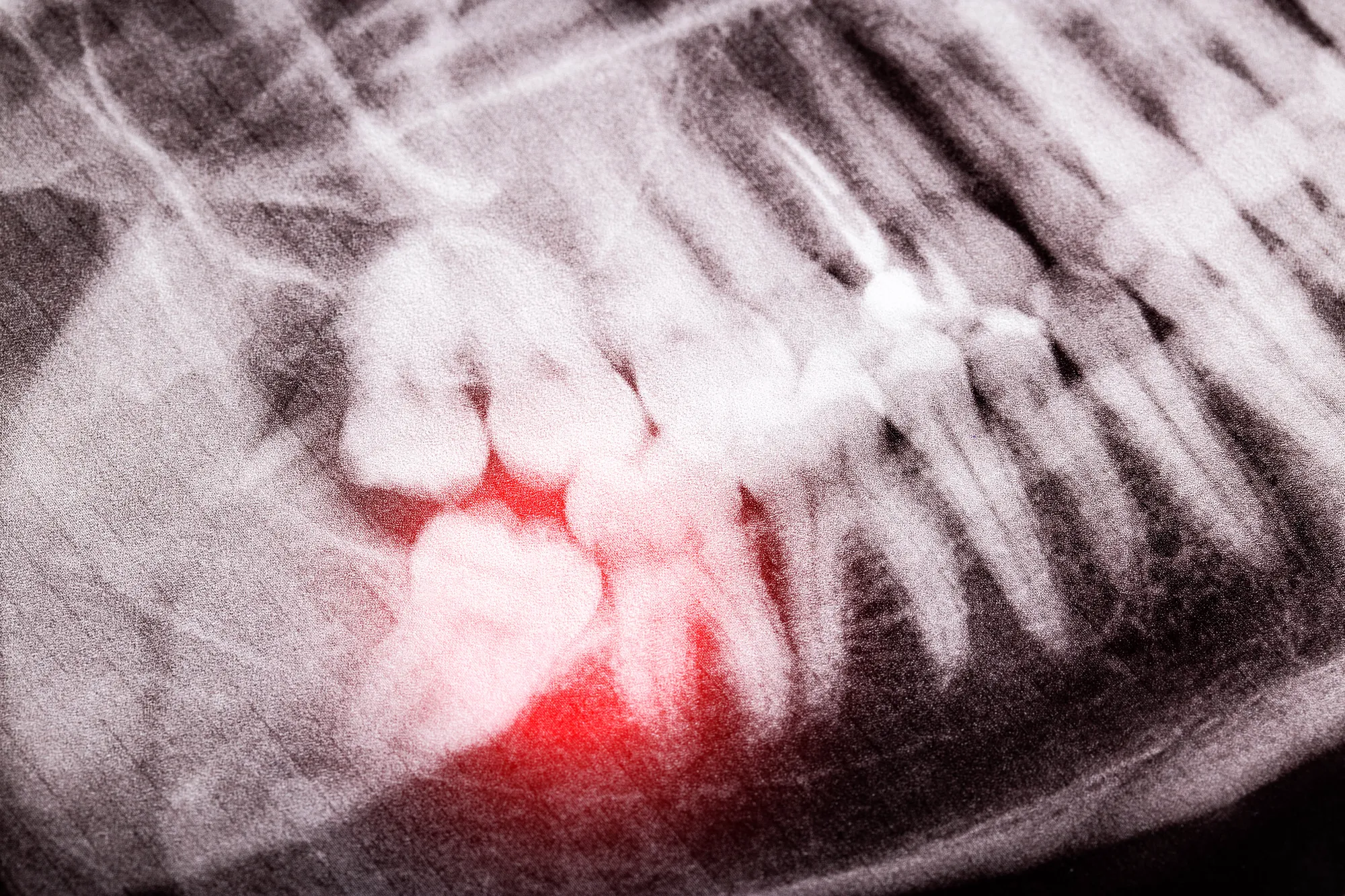
Wisdom tooth removal in Brooklyn, NY, is a procedure used to take out one or more of the third molars located at the back of your mouth. These teeth may become impacted, meaning they do not fully emerge through the gums, or they may grow at an angle that affects neighboring teeth.
A careful assessment is carried out before recommending removal. This may include digital imaging to evaluate tooth position and its relationship to surrounding structures. The goal of wisdom tooth removal is to address current concerns and reduce the likelihood of future complications.
Signs You May Need Wisdom Tooth Removal
Not everyone needs their wisdom teeth removed, but certain symptoms may warrant evaluation. Recognizing these early can help you seek care at the right time.
Pain or Discomfort at the Back of the Mouth
Ongoing pain near the back molars is one of the most common reasons patients consider wisdom tooth removal in Brooklyn, NY. This discomfort may come and go or become more noticeable when chewing.
Swelling or Tender Gums
If the gums around your wisdom teeth appear swollen, red, or tender, it could indicate irritation or infection. This is often seen when teeth are partially erupted.
Difficulty Opening Your Mouth
Limited jaw movement or stiffness can sometimes be linked to impacted wisdom teeth. If this persists, it is worth having it evaluated.
Crowding or Shifting Teeth
Wisdom teeth can sometimes place pressure on nearby teeth, leading to crowding. In these cases, wisdom tooth removal in Brooklyn, NY, may be considered to help protect alignment.
These symptoms do not always mean removal is necessary, but they are signs that a professional assessment is important.
The Wisdom Tooth Removal Process
Understanding what happens during wisdom tooth removal in Brooklyn, NY, can help reduce uncertainty and make the experience feel more manageable.
Consultation and Imaging
Your visit begins with a detailed examination. X-rays or 3D scans may be used to assess the position of your wisdom teeth and plan the procedure carefully.
The Procedure
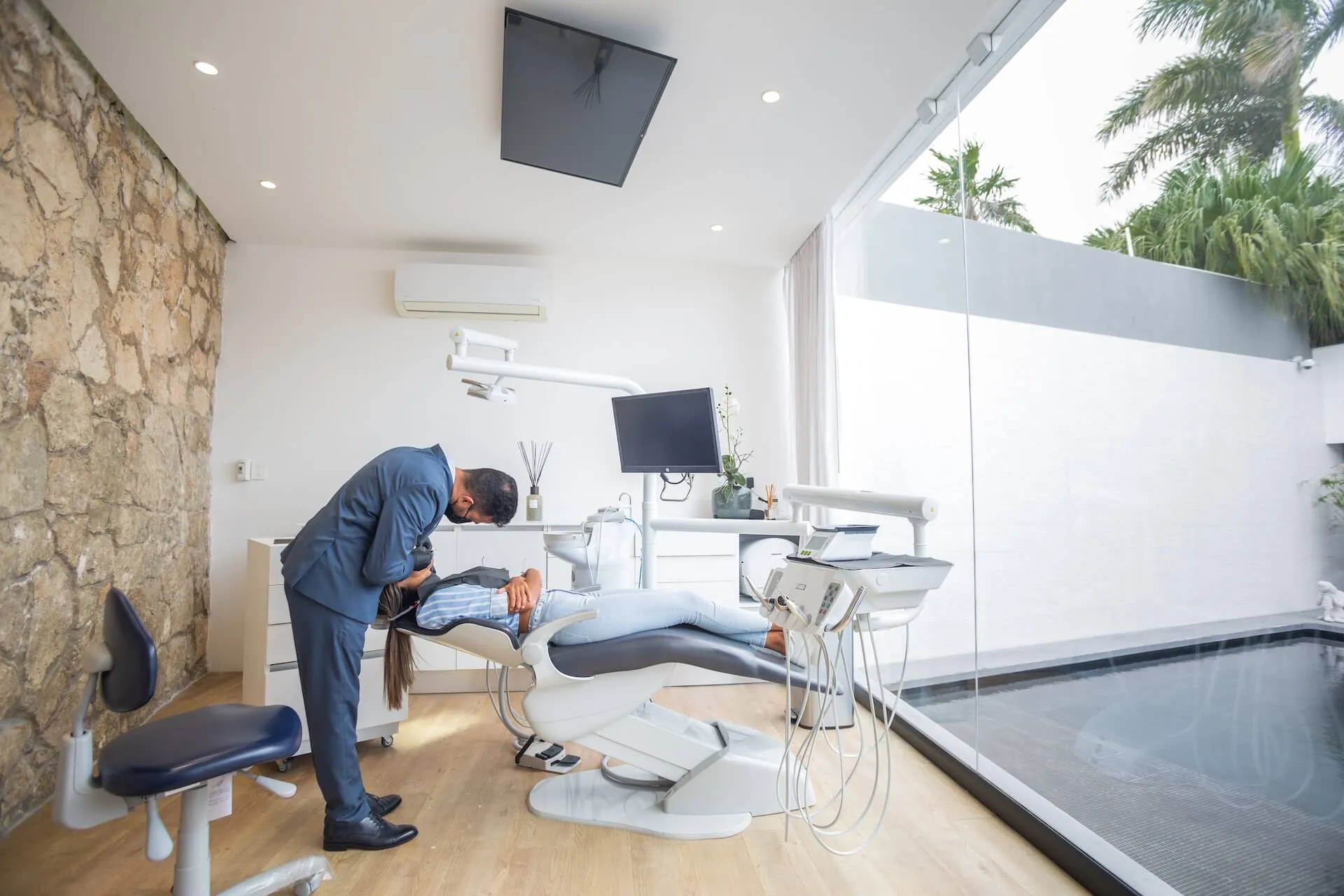
The area is numbed to keep you comfortable. Depending on the tooth's position, it may be removed in one piece or in sections. The approach is tailored to your specific case.
After the Procedure
Once the tooth is removed, the area is cleaned and may be closed with stitches. You will be given instructions to support healing after your wisdom tooth removal in Brooklyn, NY.
The procedure itself is usually completed within a relatively short appointment, although timing can vary based on complexity.
Recovery and Aftercare
Recovery is an important part of wisdom tooth removal in Brooklyn, NY. Most patients experience some swelling or mild discomfort in the first few days.
Managing Discomfort
Your dental provider may recommend medication or home care measures to help manage discomfort. Applying a cold compress can also help reduce swelling.
Eating and Drinking
Soft foods are typically recommended in the initial days after wisdom tooth removal in Brooklyn, NY. Avoiding hard or crunchy foods can help protect the area as it heals.
Oral Hygiene
Keeping the area clean is essential. You may be advised to rinse gently and avoid brushing directly over the extraction site for a short period.
Following aftercare instructions closely can support a smoother recovery and reduce the risk of complications.
Benefits of Wisdom Tooth Removal
While not always necessary, wisdom tooth removal in Brooklyn, NY, may offer several potential benefits when recommended appropriately.
Reduced Risk of Infection
Removing impacted or partially erupted teeth can help reduce the likelihood of infection in the surrounding gums.
Improved Comfort
Patients who experience recurring pain or swelling often notice improved comfort after healing.
Protection of Adjacent Teeth
In some cases, removal may help prevent damage or pressure on neighboring teeth.
It is important to remember that every case is different. Your provider will discuss whether wisdom tooth removal in Brooklyn, NY, is suitable for your situation.
When to See a Dentist?
If you are experiencing discomfort, swelling, or other changes at the back of your mouth, it is worth scheduling an evaluation. Early assessment can help determine whether monitoring or treatment is the best approach.
Even if you are not currently in pain, periodic checks can help track the development of your wisdom teeth. This allows your dentist to identify any potential concerns before they become more noticeable.
Book Your Consultation at Canarsie Dental Specialist
If you are dealing with discomfort or have concerns about your wisdom teeth, a professional evaluation can provide clarity. Wisdom tooth removal in Brooklyn, NY, is carefully planned based on your individual needs.
At Canarsie Dental Specialist, your assessment includes a detailed review of your symptoms and imaging to determine the most appropriate course of treatment. Book your consultation today to understand your options and take the next step toward better oral health.
FAQs
Q: When is wisdom tooth removal necessary?
A: It may be recommended if your wisdom teeth are causing pain, infection, crowding, or other concerns. An evaluation helps determine if wisdom tooth removal in Brooklyn, NY, is appropriate.
Q: Is wisdom tooth removal painful?
A: The procedure is typically carried out with local anesthesia to keep you comfortable. Some discomfort afterward is normal but usually manageable with care.
Q: How long does recovery take?
A: Most patients begin to feel better within a few days, although full healing may take longer. Recovery can vary depending on the case's complexity
Q: What should I eat after wisdom tooth removal?
A: Soft foods are usually recommended initially. Gradually returning to your normal diet can be done as healing progresses.



.svg)


