



.svg)


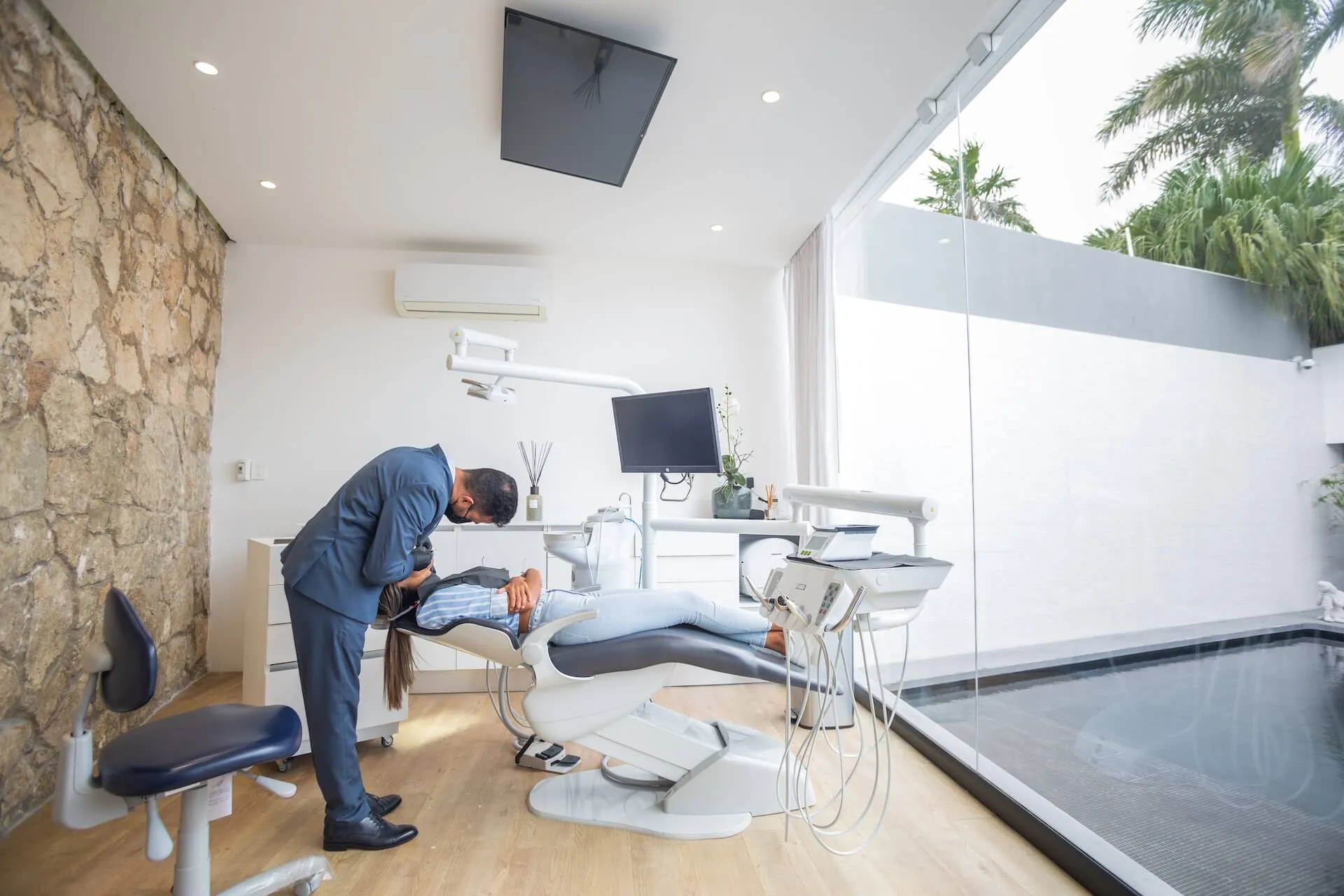
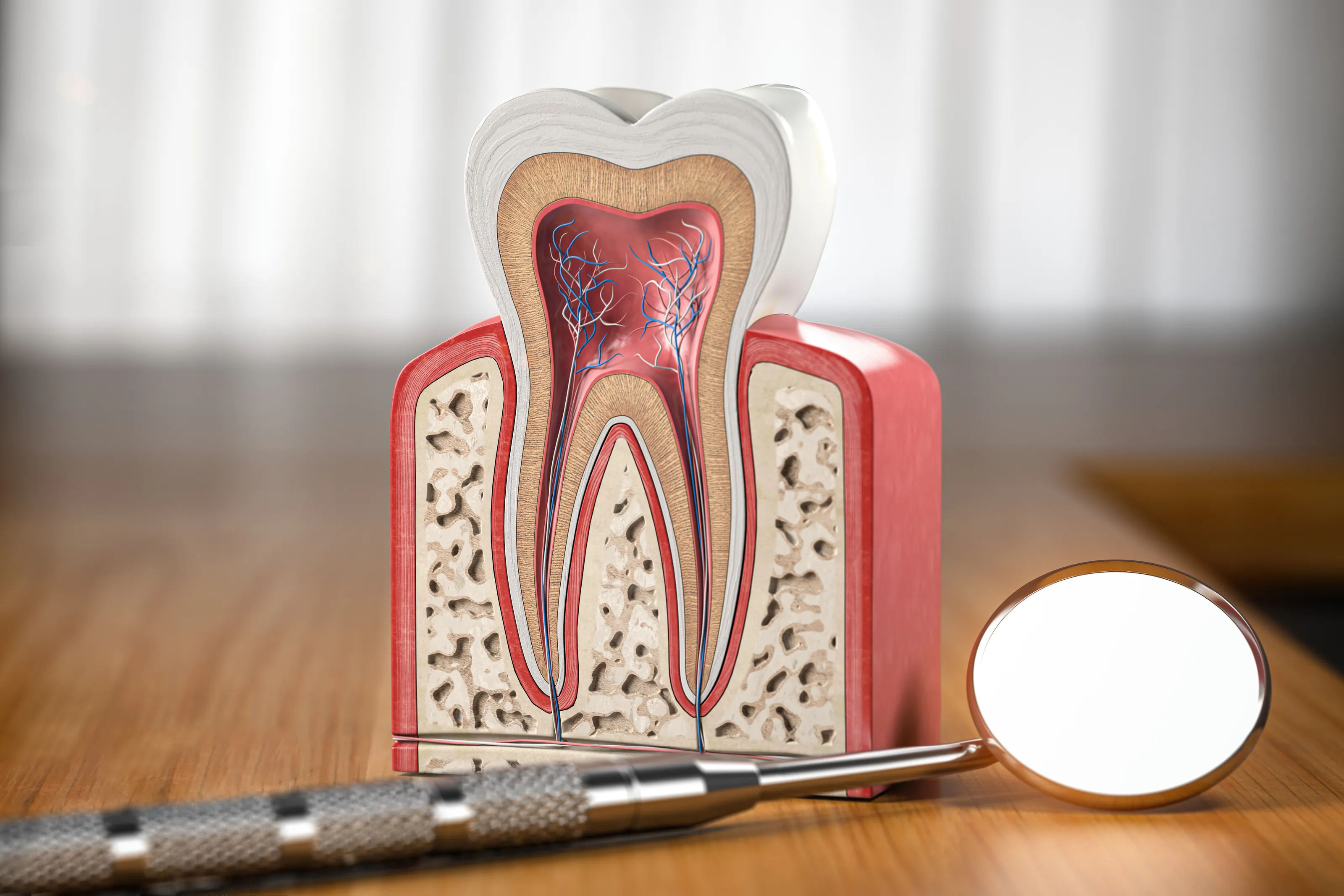
If you have a root canal coming up, or you just walked out of one, it is completely normal to wonder what the next few days will actually feel like. Root canals get a bit of an unfair reputation, and honestly, the recovery is usually much easier than people expect. Most patients who go through a root canal in Brooklyn, NY are back to their regular routine within a day or two, with only mild soreness to manage along the way.
Understanding what is normal, what needs a little extra care, and when to call your dentist can take a lot of the guesswork out of healing. If you are still weighing whether you need treatment in the first place, it is worth reading up on the signs that typically point to a root canal. Here is a closer look at what actually happens after treatment and how to help things go smoothly from day one.
Why Root Canal Treatment Is Often More Comfortable Than People Expect
A lot of the anxiety around root canals comes from outdated stories rather than how the procedure actually goes today. Modern techniques, better numbing methods, and more precise tools have changed the experience quite a bit, and treatment is typically carried out by an endodontist or a general dentist trained in this kind of care. During the procedure itself, the area is fully numbed, so patients typically feel pressure at most, not pain.
The real discomfort, when it happens, tends to show up afterward, once the anesthesia wears off and the tooth and surrounding tissue start to settle. This is a normal part of healing, not a sign that something went wrong, and it is usually manageable with the right aftercare.
What to Expect in the First 24 to 48 Hours After Treatment
The first day or two after a root canal is when most of the noticeable symptoms happen. Mild soreness around the treated tooth and some tenderness in the jaw are common, especially if you have been keeping your mouth open for a while during the appointment. Some patients also notice slight swelling in the gum near the treated area.
It is fairly typical to feel like the tooth is a bit sensitive to pressure when chewing during this window, which is one reason dentists usually recommend sticking to softer foods for a day or so. Over-the-counter pain relief, taken as directed, tends to keep this discomfort well within a manageable range for most people. If you had a root canal in Brooklyn, NY recently and are experiencing this kind of mild soreness, it generally fits within the expected healing pattern rather than pointing to a problem.
Tips for a Smooth and Comfortable Root Canal Recovery
A few simple habits in the days following treatment can make a real difference in how comfortable your recovery feels.
- Stick to soft foods like soup, yogurt, or mashed vegetables for the first day or two
- Avoid chewing directly on the treated tooth until your dentist gives the go-ahead
- Take any prescribed or over-the-counter medication exactly as recommended
- Keep up with gentle brushing and flossing, being mindful around the treated area
- Skip very hot, cold, or hard foods that could aggravate sensitivity
- Rest when you can, especially on the day of the procedure
None of these steps are complicated, but together they tend to lower the odds of unnecessary irritation and help the tissue around the tooth settle faster.
Managing Pain and Swelling After a Root Canal
Some tenderness after a root canal is expected, but there are ways to keep it comfortable rather than letting it linger. Over-the-counter pain relievers, such as ibuprofen or acetaminophen, are commonly recommended and can be alternated in some cases under your dentist's guidance. Applying a cold compress to the outside of the cheek near the treated tooth can also help with any mild swelling during the first day.
If your dentist places a temporary filling or crown after the procedure, being a little extra careful when chewing near that area can prevent it from loosening too early. Most swelling and tenderness noticeably improve within a few days, and many patients find they need little to no pain medication by day three or four.
Signs Your Root Canal Recovery May Need Extra Attention
Most recoveries go smoothly, but it helps to know what falls outside the usual pattern so you can reach out if something feels off. Contact your dental provider if you notice any of the following:
- Pain that gets worse instead of gradually improving after a few days
- Swelling that spreads beyond the immediate area or increases over time
- A fever alongside dental discomfort
- Visible discharge or a bad taste coming from the treated tooth
- Difficulty opening your mouth fully several days after treatment
These signs do not automatically mean something serious is happening, but they are worth a follow-up call so your dentist can take a look and make sure healing is on track.
How Long Full Healing Takes After a Root Canal
While the noticeable soreness usually fades within a few days, the tissue around the tooth continues healing on the inside for a bit longer. Many dentists recommend a follow-up visit to place a permanent crown or filling once initial healing is complete, since the treated tooth can be more prone to fracture without that added protection. If you are unsure which type of restoration your tooth needs, this breakdown of crowns versus fillings is a useful next read.
Patients who receive a root canal in Brooklyn, NY are often given a general timeline during their appointment, along with guidance on when to schedule that follow-up restoration. Sticking to this schedule plays a meaningful role in how well the tooth holds up over the years ahead.
Schedule Your Root Canal Consultation Today
If you are dealing with tooth pain or have been told you may need a root canal, getting a timely evaluation can make a real difference in comfort and outcome. The team at Canarsie Dental Specialist can walk you through the procedure, what recovery typically looks like, and how to keep healing on track every step of the way. Contact Canarsie Dental Specialist today to schedule your consultation for a root canal in Brooklyn, NY.
Frequently Asked Questions
Q: How long does root canal recovery usually take?
A: Most people notice significant improvement within two to three days, with mild lingering sensitivity possibly lasting up to a week. Full internal healing can take a bit longer, which is why a follow-up restoration is often recommended.
Q: Is it normal to feel pain a few days after a root canal?
A: Some mild soreness in the first few days is common. Pain that increases rather than improves, or that persists well beyond a week, is worth mentioning to your dentist.
Q: Can I eat normally right after a root canal?
A: It is best to stick to soft foods and avoid chewing on the treated tooth for the first day or two while the area settles, then gradually return to your normal diet as comfort allows.
Q: What can I take for pain after a root canal in Brooklyn, NY?
A: Over-the-counter pain relievers are commonly used and generally effective for the mild discomfort that follows treatment. Always follow your dentist's specific recommendations regarding dosage and timing.
Q: Do I need a crown after a root canal?
A: In many cases, yes, especially for back teeth that handle more chewing pressure. Your dentist will let you know whether a crown or a different type of restoration fits your situation.
Q: When should I call my dentist during recovery?
A: Reach out if pain worsens instead of improving, if swelling spreads, or if you notice fever, discharge, or ongoing difficulty opening your mouth. These can be signs that your dentist should take a closer look.

.svg)


