



.svg)


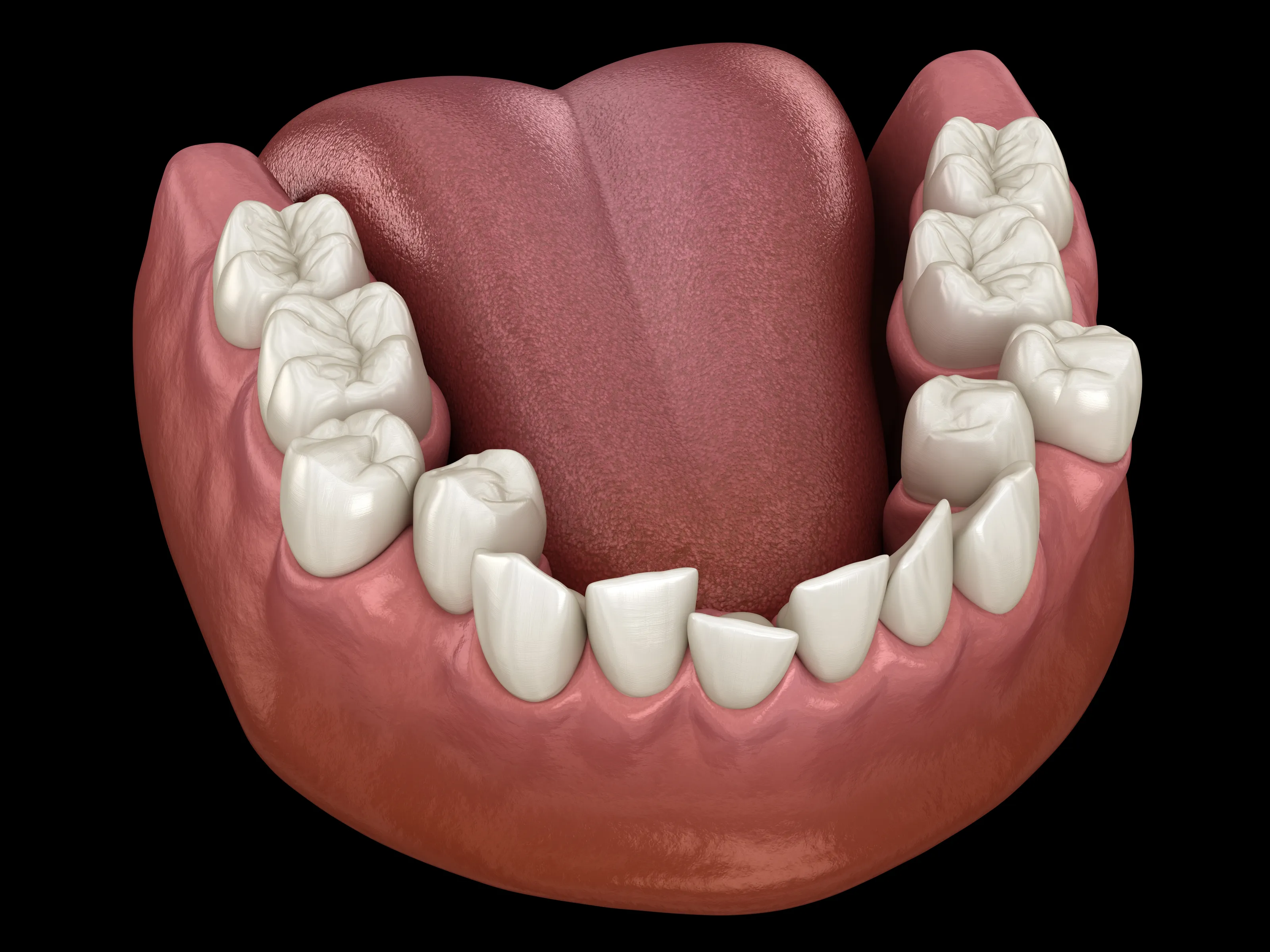
Crowded teeth send a lot of people to the orthodontist, and once you actually see a mouth full of overlapping or twisted teeth, it is not hard to understand why. Beyond how it looks, crowding makes certain spots almost impossible to clean properly, and some teeth end up taking more wear than others over the years. Anyone looking into braces in Brooklyn, NY has probably wondered how wires and brackets manage to shift teeth at all. Once you break down what is actually happening underneath the gum line, it stops feeling mysterious and starts making a lot of sense.
Braces do their job through steady pressure applied over a long stretch of time. That pressure sets off a biological chain reaction in the bone around each tooth root, and that reaction is what lets a tooth inch into a new spot. It is slow on purpose. Teeth cannot be forced into place overnight without risking damage to the root or the bone holding it.
What Causes Crowded Teeth in the First Place
Most crowding comes down to a straightforward math problem: not enough room in the jaw for every tooth to sit comfortably. Genetics is a big driver here since jaw size and tooth size both tend to run in families. A parent with a smaller jaw and larger teeth can easily pass that combination on to a kid, and crowding follows.
Losing baby teeth too early, years of thumb sucking, or a missing tooth that lets its neighbors drift can all add to the problem too. And crowding is not just a childhood thing. Plenty of adults who had straight teeth in their twenties notice their smile shifting again later on, which is part of why braces in Brooklyn, NY are just as common among adults as they are among teenagers these days.
How Braces Actually Move Teeth Into Alignment
Here is the part most people find genuinely interesting once they hear it. Every tooth sits inside a socket, held there by a ligament connecting the root to the jawbone. When braces push a tooth in a certain direction, that ligament reacts. Bone on the compressed side starts to break down a little, while bone on the stretched side starts building up.
That back and forth is called bone remodeling, and it is the actual mechanism behind every bit of movement you see over the course of treatment. Brackets glued to each tooth hold a wire in place, and that wire is doing the real work, applying consistent pressure in whatever direction the orthodontist has planned. Adjustment visits are when that wire gets tightened or swapped out, nudging the pressure and direction closer to the final goal.
Why Slow, Steady Pressure Works Better Than Force
You would think cranking up the pressure would speed things up, but teeth do not respond that way. Bone remodeling has its own pace, and pushing too hard too fast risks damaging the root or the surrounding tissue instead of getting faster results.
That is the real reason orthodontic treatment stretches across months instead of weeks. Adjustments every four to eight weeks give the orthodontist a chance to recalibrate pressure as the teeth respond. A lot of patients considering braces in Brooklyn, NY assume faster movement means a better outcome, but gradual, well-controlled movement is actually what keeps results stable once the braces finally come off.
What Happens at Each Stage of Braces Treatment
Treatment for crowding tends to follow a loose sequence, though no two mouths move at exactly the same pace.
- Leveling and aligning, where the worst of the crowding starts to smooth out as teeth begin lining up.
- Closing gaps, where any leftover spacing from the crowding gradually disappears.
- Bite correction, where the orthodontist adjusts how the top and bottom teeth meet.
- Finishing touches, where the last small tweaks refine the alignment before braces are removed.
Changes usually become visible within the first couple of months. Full correction of crowding, though, can run anywhere from about a year to closer to three, depending on how severe things were at the start. For a fuller breakdown of what affects that timeline, this look at how long braces take covers it in more detail.
So How Long Does This Actually Take
Honestly, it depends a lot on where you are starting from. Mild crowding might wrap up in around a year. More significant crowding, particularly cases tied to a smaller jaw, can stretch past two years. Age, bone density, and how well someone sticks to care instructions all play a role in the pace too.
No two treatment plans move at the same speed, so any timeline given at a consultation is really an educated estimate based on the orthodontist's experience, not a fixed promise. Someone evaluating braces in Brooklyn, NY will usually get a more specific range once X-rays and a full exam are done.
A Few Things That Help Treatment Stay on Track
Soft foods for a couple of days after each adjustment go a long way, since teeth tend to feel tender right after a tightening. Over-the-counter pain relief can take the edge off that soreness if it is bothering you. Brushing and flossing carefully around brackets and wires matters more than people expect, since plaque buildup around hardware can lead to decay that slows everything down. And showing up to every scheduled appointment matters too. Skipped visits mean skipped adjustments, and that pushes the whole timeline back.
Ready to Start Your Journey to a Straighter Smile
Crowded teeth are not something you have to just live with, and knowing how braces actually work tends to make the whole idea of starting treatment feel a lot less intimidating. Canarsie Dental Specialist offers thorough orthodontic evaluations, so you know exactly what your treatment path could look like before committing to anything. Reach out to Canarsie Dental Specialist to schedule a consultation for braces in Brooklyn, NY, and get started on a straighter, healthier smile.
Frequently Asked Questions
Q: Do braces hurt when they move teeth?
A: Some soreness after adjustments is normal, especially in the first couple of days, and it is usually manageable with over-the-counter pain relief. Sharp or lasting pain is not typical and is worth flagging to your orthodontist.
Q: How long does it take for braces to fix crowded teeth?
A: Mild crowding might improve within about a year. More significant cases can take two years or more. Your orthodontist can narrow that down after an initial exam.
Q: Can adults get braces for crowded teeth?
A: Yes, and the underlying process is the same at any age. Movement can sometimes take a little longer for adults since bone remodels more slowly later in life, but it still works.
Q: Will my teeth stay straight after the braces come off?
A: Most orthodontists recommend a retainer afterward, since teeth can gradually drift back toward their old position without one.
Q: What happens if I skip an adjustment appointment?
A: Progress slows down, and the overall timeline can stretch out, since the wire needs regular adjustments to keep guiding the teeth.
Q: Are braces in Brooklyn, NY a good option for severe crowding?
A: In many cases, yes. Orthodontists sometimes pair braces with other approaches, like selective spacing or occasionally an extraction, to handle more significant crowding.

.svg)


